Top 6 Best-Selling Science & Engineering for November 2025

$13.78

Danh sách Top 10 Science & Engineering bán chạy nhất tháng November 2025 được tổng hợp dựa trên dữ liệu thực tế từ Amazon.com. Các sản phẩm được đánh giá cao bởi hàng nghìn người dùng, với điểm rating trung bình từ 4.5 đến 4.8 sao. Hãy tham khảo danh sách dưới đây để chọn sản phẩm phù hợp với nhu cầu của bạn.

#1

Outlive: The Science and Art of Longevity
Outlive: The Science and Art of Longevity


Price: $19.69
4.6/5

(19,155 reviews)

What Customers Say:

  • Great Take Away Points
    I first learned about Dr. Attia through watching the series ‘Limitless.’ I found the series to be extremely inspiring, and ultimately life-changing. I then stumbled across a Youtube clip where someone was discussing this book, which led to my purchase of it. It is a very thick book with which I took my time reading, in chunks. (I did not read the last two sections on sleep and emotional health).I read through some of the 1 and 2 star reviews on Goodreads. Many mentioned that the book could be significantly shorter and that they did not like all of the personal stories that Dr. Attia shared. However, I found each of the stories to be quite helpful in putting the information into context. And I think the overall intent of this book was/is two-fold. It was not only written to present ‘information,’ but also Dr. Attia’s personal testament of his journey as he learned new things, changed his perspectives, struggles in life, etc. The addition of this deeply intimate information helps to make the book more personable versus cold and mechanic. And who knows, writing this book may have also provided Dr. Attia with some degree of inner peace and resolution. What is so wrong with that?There are many focal points of this book, but for this book review, I will address what I find to be key take away points, and my perspective of those points discussed by Dr. Attia.READABIITY: Some parts of the book could be difficult for people to understand if they do not have a medical background, fortunately I do. For those who do not, and really want to understand, have Internet access handy so that you can cross-reference between the Internet and the book as you go along. NOTE: There are many parts of the book where animal research studies are discussed. I must preface that I struggle reading about animal studies, as I am anti-animal testing activist. But I do understand why the studies are mentioned in the book.PHILOSOPHY: Dr. Attia makes several comparisons between Medicine 2.0 and Medicine 3.0. I think many Primary Care providers who read and subsequently reviewed this book may have felt offended by Dr. Attia’s views on what he describes as our current healthcare model (Medicine 2.0). However, Dr. Attia is not pointing fingers and intending to insult Primary Care providers. He is simply pointing out flaws in our current healthcare model and how it should shift to a different focus, which I 100% agree with!For those who chose to be insulted by this, shame on you. If you are a Primary Care provider, it is also not your fault that your practice is based upon Medicine 2.0, as you have to operate within the restrictive system and in accordance with insurance coverage. Embrace the Medicine 3.0 philosophy and save it for the day when, perhaps, our current healthcare model will shift closer to it. Everyone will be better off for it.PREVENTATIVE TESTS: I found it odd when a reviewer mentioned that they know many adults who lived to old ages without any fancy tests. That is a strange thing to write, because Dr. Attia does NOT imply that having a bunch of tests contributes to living longer or healthier. Conversely, he implies that having preventative tests provides knowledge of one’s current health state. That knowledge can then enable people to make changes that can contribute to living longer and healthier versus being a ticking time bomb and continuing on the same physiological path. How that reviewer misconstrued these two vastly different concepts is beyond me. This reviewer continued on to say that these seniors also smoked, drank, ate what they wanted, etc. However, I cannot help but wonder about their quality of life, and whether they were active and enjoy(ed) pursing hobbies/interests OR if they were simply ‘existing’ as couch potatoes. These are two vastly different concepts, and is the focal point that Dr. Attia expresses throughout the book.On another note, Dr. Attia describes the perfect world where everyone has access to a plethora of preventative tests. Many of these preventative tests (scans, blood, etc.) are not covered by typical insurance plans, which means people have to pay out of pocket for them. I do plan to have most of the screening tests done that he recommends, because I want that in-depth knowledge of my current health state. However, doing all of these are just out of reach for many, or until patients reach a certain age (DEXA scan, for example).MACRO NUTRITION: As many others mentioned, I do not think that any new/novel information about macro nutrition was presented. Some reviewers got the impression that Dr. Attia is pro-Keto diet. But I did not infer that at all. Conversely, I thought Dr. Attia did a great job with pointing out key advantages and disadvantages of many different types of diets, not just Keto. And I think he made it quite clear that no one type of nutrition regimen/approach is going to work for everyone. This point was made quite clear when he discussed his friend/patient (the Lipidologist) who benefited from a fasting regimen. I also think he did a good job explaining how different macro nutrients affect the body in an easy to understand fashion. I particularly found the information about Fructose and Purine quite interesting.EXERCISE: It was made abundantly clear that Dr. Attia believes that exercise is the foundation for good health, which I agree with! He describes, in detail, how exercise is the best preventative tool for the “Horsemen.” Yes, it makes good sense: Exercise = improved blood flow = improved perfusion AND = building and/or maintenance of muscle tissue and maintenance of bone = potential reduced risk for the “Horseman.” But in reality, is it really THAT simple? I do not think so. There are so many other factors that come into play.Additionally, what is disheartening, and what other reviewers found discouraging about this, is how complex Dr. Attia makes exercise out to be. While I agree with the benefits of all the different types of exercises he discusses, I also think it is unrealistic for many people to achieve all of it in it’s entirety. Again, it comes back to the perfect world where there are no life-stressors, no major time consuming life-demands, not having to work a full-time job, etc.For example, let’s talk about a rich celebrity who is one of Dr, Attia’s patients: Chris Hemsworth. I am not criticizing or picking on Mr. Hemsworth. Below is just a great example that helps my point hit home here.Does he work a 40-hour week desk job, staring at a computer all day? No. Is he on his feet all day working at a store helping customers? No. Does he come home from that job, after a commute, and have to try to squeeze in a workout? No.Does he have personal trainers and nutritional coaches? Yes. Does he have plenty of time most days to exercise and enjoy leisurely activities? Yes. Is his job as an actor focused on being physically fit? Yes. Is he able to wake up naturally most days instead of being blasted awake by an alarm clock? Yes. Does he have plenty of income to not have to worry about paying the bills? Yes.This is the perfect world that Dr. Attia describes. Not everyone has enough time in the day to devote to exercising like Dr. Attia believes is necessary. I am a poly-outdoorsman, and I am an endurance (non-professional) athlete. I would love nothing more than to have the amazing opportunity to devote as much time as I want to exercise and my outdoor sports versus working a full-time job. However, that is not my reality despite how much I would like it to be.For most people who live in the real world, doing some exercise each day/week just has to be enough because that’s all they can do. So to even remotely imply that that amount just isn’t enough to obtain a long, healthy lifespan is quite sad. This is where the notion of ‘weekend warriors’ comes into play. For some, weekends are the only time that people have to exercise and/or recreate in the outdoors. This pattern does not align with Dr Attia’s ideology, but doing something on the weekends is better than doing nothing at all.What I do think readers can benefit and take away from this section of the book is to, perhaps, incorporate different exercises into their daily/weekly regimen that they may not have thought of. This is key! For myself, I have now incorporated new things into my exercise regimen because I have a better understanding of how they can have a long-term impact.FINAL THOUGHTS: This is not a concrete book of science. It is a book that discusses some scientific information combined with Dr. Attia’s life-experiences. I think it is a well-rounded book because of this. Take whatever information you found useful and run with it! Be as active as you possibly can each day/week, keep your body trim, and feed it with good nutrition. For us “Commoners,” that is the best we can do.
  • A Science-Backed Blueprint for Living Better, Longer
    Outlive by Dr. Peter Attia is a game-changer for anyone serious about living not just longer, but better. Instead of quick fixes or fad advice, it focuses on healthspan—the quality of your years—through four key pillars: exercise, nutrition, sleep, and emotional health.I appreciated the balance of science and practical steps. Attia explains why things like Zone 2 cardio, strength training, and stability work matter, and offers guidance you can actually apply. He’s also refreshingly honest, sharing his own health and mindset challenges.Some sections are dense with science, but the payoff is worth it if you’re ready to take ownership of your long-term health. This isn’t a “hack” book—it’s a manual for building a healthier, stronger future.Highly recommend to anyone ready to take a proactive approach to their well-being.
  • Well worth reading!
    Well written and good information.
  • Textbook for the next generation of physicians
    In Outlive, Peter Attia presents, without hyperbole, an ambitious yet actionable and evidence-informed strategy to dramatically minimize the risk and burden of the chronic diseases that rob us of vitality as we age and ultimately end our lives. Amidst a vast wasteland of books on health, is this one any different?In a word, very. There are two reasons why.First, Attia’s knowledge base is unparalleled. He graciously attributes this to the all-star line-up of experts in cardiology, lipidology, oncology, neurology, psychiatry, endocrinology, biochemistry, nutrition, exercise physiology, etc. who’ve tutored him over the years, and whose expertise is shared generously on his podcast. The depth of his dives with them and his fluency in each specialty are extraordinary. But Peter’s superpower is not simply the intellect to master the nuances of each niche. It’s that, plus the broad perspective to integrate that knowledge into the grand landscape of human health—to see the forest and the trees. It’s a rare alchemy of assets: the breadth of a primary care physician, the depth of a specialist, the granularity of a laboratory scientist, and the heart of a teacher. That is Peter Attia.Second, Outlive stands uniquely poised to do what others have not: transform healthcare. Not simply because his tactics for longevity are cutting edge and informed by the best science available—and they surely are. And not because those tactics won’t evolve as science progresses—for they surely will. No, Attia’s contribution will endure because his strategy is as timeless as it is revolutionary, and it will remain relevant as long as our objective is the extension of human health and lifespan.Medicine 2.0, as he calls it, is the conventional paradigm, the model I learned in medical school. It served us well when infection was our greatest threat, and still does against acute disease or trauma. But today’s top killers are chronic diseases that exploit the one factor current treatment paradigms neglect: time. Heart disease, cancer, dementia, and metabolic disease mock our feeble 9th inning attempts to medicate them away after an eight-inning head start. To put more than a modest dent in their devastation, Attia argues, we must attack from the other end of the timeline, long before these diseases manifest clinically—before the game even begins. This is Medicine 3.0, and it truly is revolutionary.To be clear, Outlive is not another sensational anti-establishment exposé on the failures, lies, and corruption of mainstream medicine. Rather, it graciously acknowledges Medicine 2.0’s success. But, noting its inadequacy against modern diseases, Attia has cleverly “back-casted” and reverse engineered a new strategy forward—and it is brilliant. If we do achieve significant improvement in human health and longevity, absent some miraculous sci-fi discovery, it will be because we followed the strategies presented in Outlive, even if its tactics are refined over time. This book is important. It’s carefully compiled, meticulously fact-checked, thoughtfully organized, and masterfully presented. It’s cutting edge, yet careful in its claims. Passionate, yet explicitly non-dogmatic. Deeply personal, yet rigorously clinical.Speaking of personal, I must comment on the final chapter. Those of us who consider Peter superhuman may be surprised—and relieved, perhaps—to learn that he battles the same insecurities and weakness that beset the rest of us mortals. His candid account of recent struggles with emotional health is as inspiring as it is moving and provides precious layers of meaning and perspective to all that comes before it. If chapters 1 through 16 are the how, chapter 17 is the why. Whether serendipitous or providential, that his crisis manifested in time to consummate the finished project is fortuitous for us, as it changes the entire work in a compelling—and beautiful—way.Since discovering The Drive in 2018, I’ve considered Attia’s podcast the most comprehensive and reliable resource for all things health and longevity. It changed the way I live, and how I practice medicine. Going forward, Outlive will be my primary textbook.Thank you, Peter.

Outlive: The Science and Art of Longevity is one of the best-selling products with 19155 reviews and a 4.6/5 star rating on Amazon.

Current Price: $19.69

#2

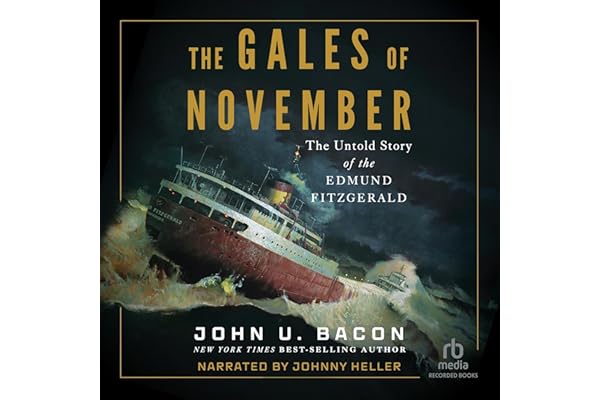
The Gales of November: The Untold Story of the Edmund Fitzgerald

The Gales of November: The Untold Story of the Edmund Fitzgerald


Price: $19.56
4.8/5

(502 reviews)

What Customers Say:

  • Powerful
    This is an incredibly powerful and moving book. The book was published to coincide with the 50th anniversary of the tragic loss of the Edmund Fitzgerald. John U. Bacon has done a masterful job of telling this story. The research is meticulous and the writing is clear and sharp. Bacon presents an overview of the Great Lakes shipping industry, which provides context for his story. The author lays out the sequence of events leading up to the tragedy. He offers sketches of each crew member, focusing on several with whom he interviewed family members and friends. He gives us a view of the hopes and aspirations of many of the men who died that night. Finally, Bacon some new thoughts about what might have contributed to the tragedy and describes some changes to the shipping industry in the aftermath of the loss. This is one of the best books I have read in a long time and I highly recommend it.
  • In the Wake of the Fitzgerald: A Masterpiece
    John Bacon’s “The Gales of November” is not just a retelling of the Edmund Fitzgerald tragedy; it’s a uniquely compelling and profoundly human story that will leave you breathless. What sets Bacon’s work apart is his remarkable ability to immerse himself in the lives of the survivors and those touched by the loss. He doesn’t just recount the events; he brings the crew and their families to life, allowing the reader to truly feel the weight of the tragedy. It’s a level of empathy and connection I’ve rarely seen achieved, transforming the narrative into something deeply personal and unforgettable. Beyond this, Bacon masterfully weaves meticulously researched history, the “storm of the century” environmental factors, and the Great Lakes shipping industry into a fast-moving narrative. From the captivating beginning through his description of Gordon Lightfoot’s crafting of his enduring song, “The Wreck of the Edmund Fitzgerald,” Bacon solidifies his place as a master storyteller. This is a must-read that you won’t be able to put down. Highest marks!!
  • Amazing read
    I had the chance to meet John Bacon at Whitefish Point and again later in Traverse City, and hearing him speak was incredible—but reading Gales of November was something else entirely. I thought I already knew quite a bit about the Edmund Fitzgerald and the Great Lakes, but this book opened my eyes even further.As someone who serves on the board of the Great Lakes Shipwreck Museum at Whitefish Point—and as one of the paddlers who had the honor of taking a wreath out to the Edmund Fitzgerald—this story carries deep meaning for me. Bacon tells it with a level of depth, respect, and research that shows on every single page.He not only brings the wreck back into sharp focus, but also shines a light on the shipping industry, the culture of the lakes, the storms, the history, and the people who lived and worked on these waters. It’s a powerful read. I burned through it faster than I expected because I simply couldn’t put it down.This is the book I’ll be recommending to anyone who wants to truly understand the Fitz, the maritime world of the Great Lakes, and the forces that shape life out here.
  • Could not put down
    Exceptional story. This is my favorite book so far in 2025. Easy to read and engrossing, I even skipped watching a World Series game to continue reading late into the night. Well researched and documented and learned a few things about shipping and Lake Superior too. I can easily see this becoming a NYT best seller. A must read.
  • Give 4.5 stars. Well written, compelling stories, but leaves critical info out
    When family sailed on the Fitz and helped with the search, it would have been nice to have focused on some others. The author got the launch of the Fitz wrong. It wasn’t a typical launch. We have family home video of it. The original bell mysteriously appears. It would have also been nice to have a list of everyone who served on the Fitz. I was glad to see that the personal conflicts were left out.If you want to learn about the crew on that last trip, this is the book to read. If you are looking for information on the Fitz, this is not what to read. I will never forget that night. I will never forget how the USCG blamed the crew for not properly securing the hatch clamps. The crew and families were owed the truth. Maybe as new generations come up we might be able to find the answer. And yes, it does matter. It matters greatly.
  • The vital role of Great Lakes shipping and the Edmond presented in a clear, interesting manner
    John Bacon gets you hooked from the start on reading “The Tales of November: The Untold Story of the Sinking of the Edmond Fitzgerald.” He has the uncanny ability to provide a big picture of the vital role Great Lakes shipping played in America’s industrial revolution, and yet, also present the facts and details in a clear, interesting manner. The wonderful emphasis on the people involved and their lives is a welcome approach that I will always treasure. This is the first book of his I am reading and I am already excited to read others of his books.My grandfather died from an iron mine accident in Crystal Falls, MI. I know something about iron mining & miners in Upper Michigan and how important the railroads were in getting the ore to the Lake docks. But this is the first time I am really learning about how the iron ore and taconite pellets were being shipped from the Great Lakes to steel industries in Michigan and Ohio.
  • Fantastic, sensitive telling of the tale of “The Mighty Fitz”
    Most everyone has heard the Gordon Lightfoot song about the sinking of the Great Lakes ship Edmund Fitzgerald, but author John Bacon supplies the rest of the story. He deftly weaves biographies of those who went down with the ship on that fateful night 50 years ago with that of the mighty “Fitz” herself, built to last a century but overcome by a once-in-a-lifetime storm in 1975.Bacon also spends time describing the raw beauty and allure of the Great Lakes, and the type of man (and it was all men back then) who braved the often unquiet waters.In less skilled hands, this story could have been lurid and melodramatic, or cold and clinical. But it’s so elegantly written that I found myself wiping away tears at points. This book is a moving, worthy bookend to Gordon Lightfoot’s song. Both are glowing tributes to the 29 men who went down with the Mighty Fitz.

The Gales of November: The Untold Story of the Edmund Fitzgerald is one of the best-selling products with 502 reviews and a 4.8/5 star rating on Amazon.

Current Price: $19.56

#3

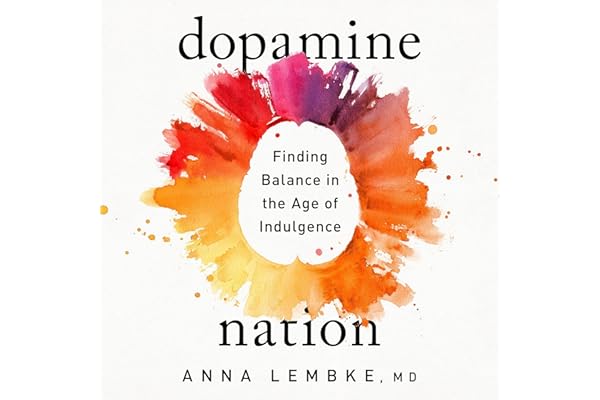
Dopamine Nation: Finding Balance in the Age of Indulgence

Dopamine Nation: Finding Balance in the Age of Indulgence


Price: $13.78
4.5/5

(11,803 reviews)

What Customers Say:

  • Must read!
    This book has without a doubt changed the trajectory of my life. I strongly urge anyone who feels like they may be teetering about and struggling to find motivation to pick up this book. The chances are that you are in need of a good dopamine detox. I am so grateful I came across this book. I am no longer addicted to my phone! Good riddance
  • super interesting
    Awesome read. Enjoyed the anecdotes of real addicted, including the author. Highlighted insightful tips and inspiring messages. This has already helped me
  • Great overview of the dopamine conundrum
    This introduces the idea of the dopamine generation in a very straightforward way. Above average research was put into this book, but it is quite easy to read. I would recommend this for those who want to get an in-depth understanding of just how this dopamine cycle has overtaken us with digital marketing and social media.
  • Amazing “Life Changing” book pick it up!
    2. Dopamine Nation: Finding Balance in the Age of IndulgenceSummary:I read Dopamine Nation over the course of 3 days not really spending too much time as its not a lengthy book. Authored by Dr. Anna Lembke, it explores the neurochemical basis of pleasure, addiction, and how to cultivate balance in a world of constant instant gratification. As someone who actively manages technology use and practices mindfulness, I found her research-based insights both validating and eye-opening. I saw her in many youtube interviews and decided to pick it upContext of Use:Applied “dopamine fasting” exercises suggested in the final chapters specifically, 24-hour breaks from social media twice in the past month.Shared quotes with friends to spark group discussion on digital minimalism.Pros:Well Researched: Each chapter cites peer-reviewed studies, case examples from Dr. Lembke’s clinic, and personal anecdotes that make the science relatable.Actionable Exercises: Provides clear, stepwise plans for “dopamine fasts,” daily gratitude practices, and tools for managing cravings easy to implement without additional resources.Accessible Writing: Although it contains medical terminology, Dr. Lembke balances complexity with straightforward language, so you won’t need a clinical background to follow along.Cons:Occasional Repetition: A few concepts like the role of opioids versus dopamine in addiction are reiterated multiple times, making some sections perhaps feel a bit drawn out to some readers. I found it quite interesting though!Impersonal Tone at Times: The case studies, while informative, can feel somewhat clinical; it may lack deeper emotional narratives that some readers prefer in self-help books.Limited Coverage of New Tech: Written before the full rise of TikTok reels and AI-personality chatbots, so certain modern platforms aren’t discussed in depth.
  • Seek the balance
    Our world is oversaturated with dopamine inducing stimulus. This book does a great job discussing the challenges we all face on a daily basis with these situations and how easy it is to fall into addiction. I found her section related to the connection between pleasure and pain very insightful. I would recommend this book to anyone struggling with focus, addiction, or feelings of restlessness.
  • Timely read in my time of need
    It is a good mix of scientific data and anecdotal data. I enjoy the author’s sharing of her own struggles with addiction. I particularly appreciate the practical application so readers can take their first steps toward recovery and maybe even help others do the same as well.
  • Overall good read!
    Very sound insights into some very pertinent issues of our day. The information and thoughts about dopamine were invaluable and caused me to consider how I live. Will be making a huge dent in my social media activity. I also found the information on dopamine helpful in what I do for a living as a therapist. I thought that was done masterfully in this book. My criticism is that at times the book was written in a disjointed way as the writer moved from sun jest to subject, at times there were a couple sections that seemed completely out of place. Also, for the last third of the book I felt it stepped away from the topic of dopamine altogether. But again, overall a very worthwhile read. Kudos to Dr. Lembke!
  • Wished this was better
    I thought that this book could’ve been way better written. I did not like that the author was comparing her obsession with exotica fiction books to people with harmful addictions. Most of the theories and research in this book it not from the writer and there’s so many sources cited I can’t understand how this came about. There was potential to lean more into social media and how it’s effecting people in this modern era but it just wasn’t that. Overall very disappointing book.

Dopamine Nation: Finding Balance in the Age of Indulgence is one of the best-selling products with 11803 reviews and a 4.5/5 star rating on Amazon.

Current Price: $13.78

#4

Why We Sleep: Unlocking the Power of Sleep and Dreams

Why We Sleep: Unlocking the Power of Sleep and Dreams


Price: $19.68
4.7/5

(33,546 reviews)

What Customers Say:

  • A Wake-Up Call for Better Sleep
    “I was once fond of saying, ‘Sleep is the third pillar of good health, alongside diet and exercise.’ I have changed my tune. Sleep is more than a pillar; it is the foundation on which the other two health bastions sit. Take away the bedrock of sleep, or weaken it just a little, and careful eating or physical exercise become less than effective, as we shall see.”― from “Why We Sleep: Unlocking the Power of Sleep and Dreams”Matthew Walker’s “Why We Sleep” is one of the two most important books I have read in my life1. Having done a little stock trading along with having survived several tech industry “death marches,” things which are quite antithetical to good sleep, I had little idea just how destructive to your health lack of sleep is. A few years back, however, I began to hear that lack of sleep was correlated with diseases such as Alzheimer’s, but this did not strike me as convincing since correlation is not causation. Indeed, a little later, I heard about this book at work but was somewhat ambivalent. It’s just going to tell me that doctors think sleep is essential but are vague as to why were my thoughts.Luckily I noticed an episode of Sam Harris’s podcast “Making Sense” in which he interviewed Walker. Since Sam Harris is a figure whose judgment I highly respect, and I know he is very discerning about whom he invites on as guests, I decided there was probably more of value to say about sleep than I initially thought.Correlation and CausationWalker’s book makes a compelling case that sleep is the bedrock of good health. He convincingly demonstrates that lack of good sleep can lead to downward spirals in health with the development of health conditions that make it hard to sleep, leading to more serious health conditions due to lack of sleep, making it even harder to sleep… and so on into a vicious cycle. Walker is careful to lay out in detail when the causal mechanisms are well understood, as in the case of Alzheimer’s and cancer, and when lack of sleep is currently a suspect, although the exact causal mechanism has yet to be established. By the end of the book, I realized, however, that sleep is so foundational that even a mere correlation to some bad health condition is enough to make lack of good sleep a prime suspect worth considering as a cause.Organization and StyleAccording to Walker, “Why We Sleep” is organized so that later chapters can be read without a strict need to read earlier ones first. Thus, if you use sleeping pills and want to know why you should not, he says it is okay to and, indeed, encourages you to jump to that section right away. That being said, I found the writing style so engaging (with a few minor instances of excessive detail) and the content so important that I read it straight through. Having read it this way, my sense was that the book frontloads its most important content: It explains in detail, with specifics such as the chemicals involved, why you feel more tired at certain parts of the day than others. To give you the motivation to get good sleep, the deleterious effects of lack of sleep also come near the beginning of the book.The Enormous and Far-Ranging Effects of Poor SleepThe effects of lack of sleep go beyond just affecting your physical health, however, and Walker shows just how destructive lack of sleep will be on your ability to learn new things. One of the most remarkable findings is that you need to get good sleep after learning new information. You cannot even get a single night of suboptimal sleep the first night, or some information will be lost permanently.Conversely, if you get that first night of good sleep after learning something new, sleep on subsequent nights will continue to solidify what you have learned: all while you sleep! This is just one case where Walker details how, unfortunately, missed sleep cannot be well compensated for by more sleep later: Permanent losses are involved.DreamsSome of the most fascinating information in the book is on the role of dreams. Here we learn of their therapeutic qualities, including some of the underlying biochemistry involved. Discoveries here have led to a better understanding of PTSD, including better treatment methods. Walker also describes how dreams foster creativity by establishing connections between distantly related pieces of information stored in the brain. Here Walker includes a particularly fascinating anecdote of how Edison enhanced his creativity by waking himself from naps and immediately recording his thoughts.Empathy For Different Circadian RhythmsThroughout the book, Walker emphasizes how what we have learned about sleep has implications for how we should view people who may not have what seem like “normal” sleep patterns more empathetically. In particular, he emphasizes that teenagers want to get up and go to bed later, not due to laziness but because they run on a different circadian rhythm. It is something that is biologically hardwired into them. A consequence is that forcing school start times incompatible with this has devastating effects on how well they learn compared to well they could. Similar facts are true of people who are naturally “night owls” and run on different circadian rhythms than the rest of us.Minor FlawsWalker’s book has only a few minor flaws:1. Although he provides an excellent explanation of why most sleeping pills should be avoided, he does not mention whether this includes melatonin.2. His discussion of the nationwide dollar impacts of poor sleep could be better presented. The unfortunate truth is that given the numbers we have heard spent on wars and, especially, financial bailouts and stimulus, rattling off numbers that are “merely” in the hundreds of millions or even low billions hits us in a place we are now numb.3. Although Walker’s discussion of creativity in the dream state and the state when just waking from dreams is a fascinating part of the book, I would have liked to see some discussion of how objectively accurate intuitions are during these moments. Anecdotally, I used to joke that my best ideas came to me during this time or not at all. Sometimes, however, the thoughts just turned out to be overconfident upon more profound reflection. Is that true for just me, or is it true for people, generally speaking?ConclusionOverall, Walker’s “Why We Sleep” is a must-read for anyone who sleeps: in other words, everyone. This book will not only absolve you of any guilt associated with prioritizing sleep, but it will also arm you with the knowledge to make the best choices for your physical and mental health. Walker guides you through the critical benefits of sleep, from its integral role in memory and creativity to its power to process and put to rest the day’s experiences: especially the more troubling ones.While the damaging effects of lack of sleep seem exponential, Walker argues that some of the most significant benefits come in the final two hours. Thus getting eight full hours of sleep is crucial. After reading this book, you will not want to miss a full night’s sleep again.To help you achieve a full night’s sleep regularly, Walker provides 12 concrete steps in an appendix. Some of these suggestions are initially counterintuitive. For example, Walker maintains that a cooler room temperature of around 65F is best for optimal sleep. Already, I’ve been putting this and his other advice to the test, and the results seem promising.
  • Required Reading
    My regret is that I didn’t read this book when I was a teenager, oh, that is right, the book wasn’t written yet, so what is your excuse.
  • Two-thirds of adults do not have the recommended eight hours of nightly sleep
    I bought this book out of general interest. It is an international bestseller by a former professor of psychiatry at Harvard Medical School, and is currently a professor of neuroscience and psychology at the University of California, Berkeley.Here is why I am reviewing this book in a business newspaper.I believed, as you may, that “pulling an all-nighter” was a badge of honour, a clear sign of commitment and fortitude. President Trump brags of sleeping only 4 hours a night. Just last week a client told me with an element of pride, that he sleeps less than five hours a night. And he wasn’t the first.With what we know now, this is about as absurd as bragging that you are a wife-beater, and that you drive drunk!Consider the facts. Driving without having had sufficient sleep is the cause of hundreds of thousands of traffic accidents and fatalities each year. In the US, one person dies in a traffic accident every hour due to a fatigue-related error, exceeding road deaths caused by alcohol and drugs – combined.“Every component of wellness, and countless seams of societal fabric, are being eroded by our costly state of sleep neglect: human and financial alike,” author Matthew Walker explains.Just to get your attention, consider that reams of reliable research indicate that routinely sleeping less than six or seven hours a night demolishes your immune system, and more than doubles your risk of cancer. It is a key lifestyle factor determining whether or not you will develop Alzheimer’s disease. Sleep deprivation increases the likelihood of your coronary arteries becoming blocked and brittle, which boosts cardiovascular disease, stroke, and congestive heart failure.Less dramatically, you have probably noticed a desire to eat more when you’re tired. This is because too little sleep increases a hormone that makes you feel hungry and suppresses a hormone that signals food satisfaction.The need to sleep is a foolish biological phenomenon that evolution should have cleaned out of the system. When you sleep you cannot fulfil the basic drives of life: to eat and drink, reproduce and protect yourself. And yet, across the animal kingdom sleeping is a common factor.The World Health Organization has declared sleep loss an epidemic throughout industrialized nations. Two-thirds of adults do not have the recommended eight hours of nightly sleep. “Society’s apathy toward sleep has, in part, been caused by the historic failure of science to explain why we need it,” Walker explains. The fact that sleeping persists throughout evolution means there must be tremendous benefits that far outweigh all the obvious hazards and detriments.In the 1950s and 1960s, scientists used recordings from electrodes placed on the scalp to provide a general sense of the type of brainwave activity underpinning ‘REM’ (rapid eye movement) sleep. ‘Deep sleep’ describes the bodily state of inactivity, while ‘REM sleep’ describes high levels of brain activity with the eyes moving rapidly in different directions. The older technology limited our ability to understand what was happening during REM sleep that makes it so important.In the early 2000s, with the advent of brain-imaging machines, we could reconstruct three-dimensional visualizations of brain activity during REM sleep. This has enriched science’s understanding.Sleeping aids the body by restoring our immune system to fight malignancy, prevent infection, and ward off all manner of sickness. Adequate sleep maintains a flourishing microbiome in your gut which ensures nutritional health. The physical and mental impairments caused by one night of bad sleep dwarfs those caused by an equivalent absence of food or exercise.Dreaming provides humans with many gifts, among these are nightly neurochemical baths that mollify painful memories, and allow the brain to combine past and present knowledge, and inspire creativity.It is believed that “time heals all wounds.” However, Walker suggests that it might be that time spent in dream sleep offers a form of overnight therapy. REM sleep dreaming takes the painful sting out of difficult, even traumatic, emotional episodes you may have experienced during the day, offering emotional resolution when you awake the next morning. This happens because REM sleep is the only time during the twenty-four-hour period when your brain is completely devoid of the anxiety-triggering molecule. Sleep is clearly needed for us to heal emotional wounds.Sleep is also a creative incubator. In the dreaming sleep state, your brain will cogitate on vast amounts of knowledge you have acquired, and then extract overarching rules and commonalities. When we wake we are often able to find solutions to previously impenetrable problems. This is the difference between knowledge (retention of individual facts), and wisdom (knowing what they all mean when you fit them together).Mendeleev formulated the periodic table in a dream, something his waking brain was incapable of. When he awoke he wrote it down, and in only one place was a correction necessary.The neuroscientist, Otto Loewi, formulated how nerve cells communicate with each other in a dream. For this he received a Nobel Prize.Paul McCartney’s origination of the songs “Yesterday” and “Let It Be” were derived from dreams and then written down. “I couldn’t believe I’d written it. I thought, no, I’ve never written anything like this before. But I had, which was the most magic thing!”Keith Richards of the Rolling Stones had a similar experience with his music. Mary Shelley’s dreams provided the vision and narrative for the spectacular gothic novel, Frankenstein.Laboratory tests have shown how problem-solving abilities increase by 15 to 35 % when participants are emerging from REM sleep compared with daytime performance! The REM-sleep dreaming brain was utterly uninterested in bland, common sense, linear type links. In REM-sleep the brain drops the logic guard and ignores the obvious in` favour of very distantly related concepts.So, how do you know whether you’re routinely getting enough sleep? The rule of thumb is whether you could go back to sleep at ten or eleven that morning, or whether can you function optimally without caffeine before noon. And of course, whether you would sleep past your waking time if you didn’t set an alarm clock.Like a loan in arrears, your sleep debt will continue to accumulate. It will roll over into the next payment cycle, and the next, and the next, producing a condition of prolonged, chronic sleep deprivation from one day to another.The implications for your professional performance or management style should be clear. Coming to work sleep-deprived is no better than coming in hungover. And when next you hear someone brag about how little sleep they get, give them Walker’s book to read, or even just this column.We need to revise our cultural appreciation of sleep and reverse our neglect of it.Readability Light –+– SeriousInsights High +—- LowPractical High -+— Low*Ian Mann of Gateways consults internationally on leadership and strategy and is the author of the recently released ‘Executive Update.
  • A must read!
    I am blown away at how much I am learning with this book! Thank you, Dr. Walker.It has opened my eyes to my many wrong approaches to sleep, soI started implementing Dr Walker’s recommendations about a month ago. I am definitely seeing results already, although I am a work in progress. I assume I will always be, from now on. Healthy sleep has become a vital part of my daily health, mind and fitness routines. It is a must.I honestly believe the knowledge in this book should be available -in a simplified format- to our children in school, as their sleep patterns change as they age and enter puberty and so forth. The impact of sleep, dreaming and deep sleep in our emotional health is way too important to dismiss or not even acknowledge. These are proven facts backed up by hundreds of sleep studies.It is such an interesting concept, and I cannot believe I am learning this now, at 60 years of age.
  • Amazing!
    Amazing!

Why We Sleep: Unlocking the Power of Sleep and Dreams is one of the best-selling products with 33546 reviews and a 4.7/5 star rating on Amazon.

Current Price: $19.68

#5

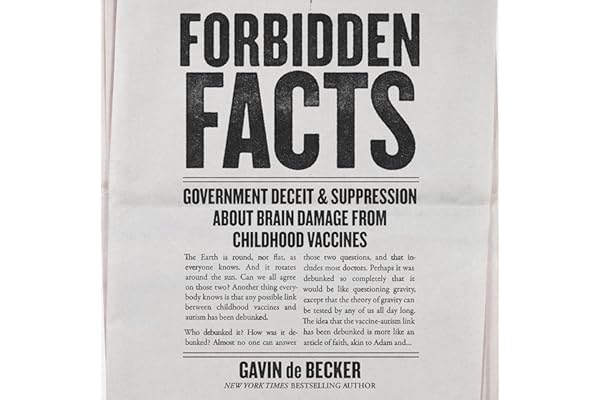
Forbidden Facts: Government Deceit & Suppression About Brain Damage from Childhood Vaccines

Forbidden Facts: Government Deceit & Suppression About Brain Damage from Childhood Vaccines


Price: $18.37
4.7/5

(188 reviews)

What Customers Say:

  • FABULOUS BOOK!!!
    What an incredible book, not opinions, everything is cited so you can read the source yourself. This information is so important, well written, easy to follow, I can hardly put it down when I need to get back to work. This one will be read multiple times. I also love Gavin deBecker’s book ‘The Gift of Fear’, read it twice so far, it’s life-changing.
  • Must-read for parents… and any who uses pharmaceuticals
    Every parent who is considering vaccination for their children should read this book. It’s easy reading and often amusing, despite the seriousness of the subject matter. It’s loaded with links to source material if you care to dive deeper.If you’re not a parent, I still recommend it because it reveals the immense corruption within the pharmaceutical industry and the government agencies that are supposed to regulate it.
  • Why So Many Vaccines for our Children?
    Chapter Eighteen of Gavin de Becker’s book Forbidden Facts: Government Deceit & Suppression About brain Damage from Childhood Vaccines has the Chapter Title ‘If I Gave my Child All the recommended Vaccines, Was that a Mistake?He writes ‘Decisions made in the past are beyond our reach. The only decisions that matter are the ones we make going forward. You now have a great deal of information to help you decide which vaccines make sense to you, and which, if any, don’t make any sense – to you p.153.Chapter Twenty has a shorter Title ‘ Crimes & Criminals: RICO – and he writes ‘As a criminologist, it would be hard for me to miss the interlinked companies and individuals and institutions and agencies that are working together to create and protect their gruesome gravy train. It looks like organized crime – because it is organized crime…Conspiracy (noun) – when two or more people secretly agree to commit a harmful act p. 157.Chapter Twenty-One’s title ‘Who to Trust’, on p. 159, refers to the book ‘Vaccine Whistleblower, Exposing Autism Research Fraud’ at the CDC by Dr. William Thompson a former CDC senior official, and Gavin de Becker includes Dr. Thompson’s apology to the public: ‘ I regret that my coauthors and I omitted statistically significant information in our 2004 article published in the journal Pediatrics. The omitted data suggested that African American males who received the MMR vaccine before age 35 months were at increased risk for autism. I am completely ashamed of what I did …the higher-ups wanted me to do certain things, and I went along with it’ p. 159.The author, Gavin de Becker, has had a 1980-2025 professional career as a recognized expert advising governments, corporations and at risk individuals, and he is a prolific writer.The slim 191 pages book ‘Forbidden Facts’ is a remarkable data packed examination of America’s, and our Global, profitable public vaccines policies and practices. It could be of interest to all parents, and ought to be in the hands of all legislators.
  • A must read for everyone but especially for every parents.
    This was a very informative book and while continuing to link the audience back to the author’s original sources to provide context for you to come to your own conclusions.
  • Information every parent should read
    This book is an easy read on a not so easy topic. Having read “Dissolving Illusions” (another must read for parents) and several other books on the topic of vaccines, this one somehow is able to inject (no pun intended) a little humor on a very serious subject. Well written, with hyperlinks to the studies/article’s referenced, for those who want to go deeper or fact-check the information. Bravo Mr. de Becker.
  • A parent’s MUST read!
    Even though it may sound like an “anti-vaxer” book, it’s important to read. Especially for parents who don’t know what their baby is getting in a vaccine! Informative QR codes and interesting facts!
  • Excellent resource
    Clear, concise, and factually based book on a very important topic!!
  • A MUST READ FOR EVERY PARENT
    This book is concisely written. Easy to follow with links to support every fact printed. Reading the leaked IOM closed door discussion on whether autism can be caused by the MMR vaccine blew my mind. How irresponsible and unconscionable all those so called doctors are. Thank god someone had the decency to share this with the public.

Forbidden Facts: Government Deceit & Suppression About Brain Damage from Childhood Vaccines is one of the best-selling products with 188 reviews and a 4.7/5 star rating on Amazon.

Current Price: $18.37

#6

A Short History of Nearly Everything

A Short History of Nearly Everything


Price: $21.66
4.6/5

(18,996 reviews)

What Customers Say:

  • Excellent Service and Quality
    The book is in very good condition and it arrived within a week.
  • My Brain Grew Three Sizes That Day (Thanks, Bill Bryson)
    Confession: Science and I? We had a complicated relationship in school. Lots of formulas, diagrams that looked like spaghetti, and a general feeling that the universe’s secrets were locked behind a very tall, very boring fence. I appreciated the idea of understanding how everything works, but the execution always left me feeling a bit… small and confused.Then I picked up Bill Bryson’s “A Short History of Nearly Everything.” And suddenly, that fence didn’t seem so tall anymore. Instead, it felt like Bryson himself was cheerfully dismantling it, inviting me on the most incredible, mind-bending road trip through time and space imaginable.This book is exactly what it says on the tin, and so much more. It tackles the huge questions – how did we get here? What are we made of? How did life begin? – but does it with such wit, charm, and genuine curiosity that you forget you’re learning about things like quantum physics or the vastness of geological time. Bryson has this magical ability to take the most complex scientific concepts and explain them in a way that makes you smack your forehead and say, “Oh! Now I get it!”What makes it truly one-of-a-kind is the human element he weaves throughout. He doesn’t just talk about discoveries; he tells you about the often eccentric, sometimes hilarious, and always fascinating people who made them. You get a real sense of the sheer perseverance, accidental luck, and occasional absurdity involved in building our understanding of the universe. It makes the science feel alive and deeply human.Reading this book was a constant source of wonder. Every few pages, I’d stop, jaw slightly ajar, thinking about the incredible journey of a single atom or the sheer improbability of life on Earth. It’s profoundly humbling and uplifting at the same time – a reminder of how tiny we are in the grand scheme of things, but also how miraculous our existence is.If you’ve ever felt intimidated by science, or just want to rekindle that childlike sense of awe about the world around you, do yourself a favor and read this book. It’s a masterpiece of popular science writing, a joyful exploration of everything, and the most fun I’ve ever had expanding my mind. Highly, highly recommend.
  • A Sweep of the Cosmos
    “Not one of your pertinent ancestors was squashed, devoured, drowned, starved, stranded, stuck fast, untimely wounded, or otherwise deflected from its life’s quest of delivering a tiny charge of genetic material to the right partner at the right moment in order to perpetuate the only possible sequence of hereditary combinations that could result—eventually, astoundingly, and all too briefly—in you.”A Short History of Nearly Everything is not as impossibly far-reaching as the title would indicate. An attempt to cram everything and the kitchen sink into a work intended for the general reader is surely a recipe for failure—or so one might think. Bryson marshals science, history, and philosophy to present a big-picture understanding of our universe from past to present. Extraneous details are filtered out, and mysteries left unexamined, yet it somehow feels complete. Not unlike a film editor who can cut down 24 hours of production material into a feature-length film, he manages to pack a world of wonder and insight into an accessible and entertaining, though relatively lengthy (544-page) tome.Bryson’s preoccupation is less with the rote repetition of facts (though there is that, too) than with conveying just how it is we know what we know. He takes us behind the curtain for a more intimate look at the process of discovery and the strokes of genius essential to that process.Lengthy and mildly scatterbrained it might be, ASHONE is a pure literary delight. The author’s excitement and enthusiasm for the subject matter drip from every page. The sheer joy he receives from learning little gems he missed in high school or being reintroduced to information forgotten long ago is intoxicating. He meets with a wonderful cast of men and women to highlight the personalities behind the stories of discovery. Lone geniuses are a rarity in any field, and science is no exception. Bryson scratches below the surface to meet the individuals who played prominent roles yet went unrecognized.In taking the long view, Bryson engages some of science’s toughest questions. Everything from the Big Bang to man’s (relatively terse) evolutionary past is presented here, with a nod to some of the more eminent and intriguing figures from each field. I particularly appreciated that after a concept was explained, he immediately followed up with the most obvious question in response. It really helps the lay reader navigate these complex topics.Bryson spends a good amount of time on natural disasters, describing the many ways in which they shaped the history of our planet. His frequently humorous analogies help you understand their sheer scale and the havoc left in their wake. Ice ages, earthquakes, supervolcanoes, and pandemics are each showcased in breathtaking detail in some of the most harrowing events on planetary record. Given all the chaos that has besieged our planet, it becomes soberingly clear by the book’s end that we humans—or any life for that matter—are incredibly lucky to be here. In light of all that can go wrong and has gone wrong, it’s remarkable there is any life left to comment on the tragedy and storied disarray. I commend Bryson for demonstrating how truly diminutive our time here on Earth is relative to the universe’s imponderably vast history.Bryson should also be applauded for pointing out places where our inquiry has hit a brick wall or those areas that remain imperfectly understood. The fact that we have accumulated such vast storehouses of knowledge over the last few centuries does not mean there are no mysteries left to explore. Indeed, dozens of questions both big and small remain unanswered, and new discoveries have a tendency to open up several more. We can both be proud about what we have uncovered to date and humble about the many uncharted possibilities that surely await us.Fast and Loose with ScienceThere are a few caveats, however, with respect to some of the finer details. In one place he describes particles with “spin” as actually rotating about an axis (they are not). This erroneous conception of elementary particles dates back to the 1920s, when George Uhlenbeck and Samuel Goudsmit interpreted the motion of electrons as self-rotation around their own axis. A few years later, Paul Dirac pointed out that electrons could not be spinning according to the rules of orbital angular momentum because the rate at which their surface would have to be spinning (to produce the magnitude of the magnetic moment) would have to exceed the speed of light, which would violate the special theory of relativity.In another place Bryson says that quantum entanglement is a violation of relativity (it is not). Relativity tells us that nothing can travel faster than the speed of light, and this applies even to things with zero mass, such as information or other electromagnetic radiation. Entanglement says that measuring a particle in one place can instantly affect a particle somewhere else. However, this effect is constrained by the cosmic speed limit. On p. 42 of his book What Is Relativity?, Jeffrey Bennett responds to this notion:“However, while laboratory experiments suggest that this instantaneous effect can really happen, current understanding of physics tells us that it cannot be used to transmit any useful information from one place to the other; indeed, if you were at the location of the first particle and wanted to confirm that the second had been affected, you’d need to receive a signal from its location, and that signal could not travel faster than light.”Bryson also claims that the production of black holes within particle accelerators like the Large Hadron Collider could destroy the world, when in fact, these microscopic black holes would disintegrate in nanoseconds thanks to Hawking radiation. On p. 154 of the same book, Bennett also debunks this largely media-driven fear:“Some physicists have indeed proposed scenarios in which such micro black holes could be produced in the Large Hadron Collider, but even if they are right, there’s nothing to worry about. The reason is that while the LHC can generate particles from greater concentrations of energy than any other machine that humans have ever built, nature routinely makes such particles. Some of those particles must occasionally rain down on Earth, so if they were dangerous, we would have suffered the consequences long ago.”In case you are wondering how a micro black hole could be “safe,” the most likely answer has to do with a process called Hawking radiation…Hawking showed that the laws of quantum physics imply that black holes can gradually “evaporate” in the sense of having their masses decrease, even while nothing ever escapes from within their event horizons. The rate of evaporation depends on a black hole’s mass, with lower-mass black holes evaporating much more rapidly. The result is that while the evaporation rate would be negligible for black holes with star-like masses or greater, micro black holes would evaporate in a fraction of a second, long before they could do any damage.”He may have consulted with experts, but the manuscript could have benefited from additional fact-checking. That said, although the book was published in 2003, there is little that is out of date as of this writing—the confirmed interbreeding between Neanderthals and Denisovans being one notable discovery of late that adds greater texture to the stories recounted here. Additionally, I feel there could (and should) have been a greater emphasis on climate change; Bryson seemed to skirt over it whenever a related topic arose, and it’s not clear whether this was intentional.Closing ThoughtsThe content in ASHONE is something I think everyone should know and be exposed to, and it’s hard to imagine the material presented with greater alacrity than it is here. The passion and unbridled enthusiasm on display frequently approaches Sagan-esque proportions, in a style redolent of the signature series Cosmos, which is about the highest praise a work in this genre could hope to achieve. Though I found a few errors—and suspect the average grad student in one of a number of the subjects covered could spot a handful more—the book is nevertheless a praiseworthy stab at science writing for the layperson. Bryson set an ambitious task for himself and ultimately delivered a lively, accessible, and mostly scientifically faithful, albeit cursory, proem to the history of the universe as we know it today. “Even now as a species, we are almost preposterously vulnerable in the wild. Nearly every large animal you can care to name is stronger, faster and toothier than us. Faced with attack, modern humans have only two advantages. We have a good brain, with which we can devise strategies, and we have hands with which we can fling or brandish hurtful objects. We are the only creature that can harm at a distance. We can thus afford to be physically vulnerable.” (p. 447)
  • Very informative
    Great book to understand everyday and fundamental things we take for granted. It presents topics in a friendly and readable way.
  • Good
    It’s a really good book,for astronomy and history of science. The only bad thing is that I should have bought a hard cover.
  • This audible book is not narrated by Bill Bryson
    Audible book is NOT narrated by Bill Bryson. I have the CD version which is narrated by the author. I don’t understand why we cannot get the audible book narrated by Bill Bryson. I bought this on Audible then returned it as soon as I realized it was not narrated by Bill Bryson. It’s a fantastic book, alas my car does not have a CD player anymore. I want to listen to Bill Bryson as no one narrates his material quite as well as he does.
  • The Best Descriptive Book on Natural Science I Have Come Across!
    This book is truly great. I read much of it a year ago when I was wanting to register for my science class. It is a required book in the class that I finally got in this semester. I would recommend everyone who has a love for science or even wants to get a better understanding of the world we live in to buy this book!

A Short History of Nearly Everything is one of the best-selling products with 18996 reviews and a 4.6/5 star rating on Amazon.

Current Price: $21.66

Updated: Nov 28, 2025
Data from Amazon.com
6 products