
Top 10 Best-Selling Travel & Tourism for November 2025

$12.57

Danh sách Top 10 Travel & Tourism bán chạy nhất tháng November 2025 được tổng hợp dựa trên dữ liệu thực tế từ Amazon.com. Các sản phẩm được đánh giá cao bởi hàng nghìn người dùng, với điểm rating trung bình từ 4.2 đến 4.7 sao. Hãy tham khảo danh sách dưới đây để chọn sản phẩm phù hợp với nhu cầu của bạn.

#1

Wild Thing in Captivity: On Travel, Trauma and Tantra
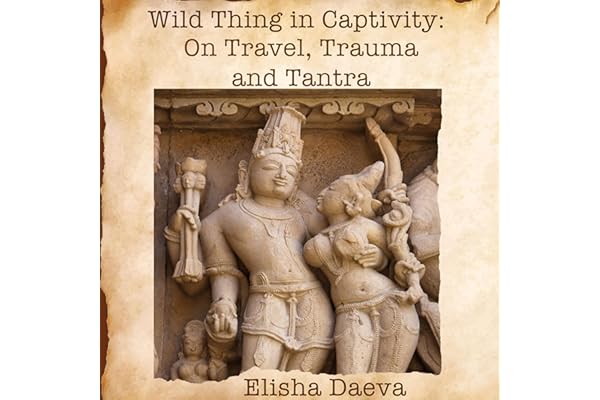
Wild Thing in Captivity: On Travel, Trauma and Tantra


Price: $17.46
4.7/5

(109 reviews)

What Customers Say:

  • A Deep Transformative Journey
    “Wild Thing in Captivity: On Travel, Trauma, and Tantra” by Elisha Daeva is a profoundly moving memoir that captures the author’s transformative journey following a life-altering breakup. The narrative is beautifully woven with vivid descriptions of exotic locales and introspective passages that delve deep into the realms of trauma and healing. Daeva’s exploration of tantra offers a fresh perspective on reclaiming personal power and reconnecting with one’s inner self. Her honest and sometimes raw storytelling style makes the reader feel deeply connected to her experiences.”Wild Thing in Captivity” is more than just a travel memoir; it is a journey of healing and empowerment, offering insights that resonate with anyone who has faced personal despair and is seeking a route to recovery. It’s a compelling read for those interested in the transformative power of travel and spirituality in overcoming personal crises.
  • Inspiring Book
    Wild Thing in Captivity: On Travel, Trauma and Tantra by Elisha Daeva is a heartfelt book and an entertaining one at that. With society as it is today, it’s hard to fully connect with other humans in any meaningful way. This book is about one woman’s journey after her relationship fails and she is left in a bit of a quagmire. Wholly relatable, intimate, and emotionally revealing this is a fun book to dive into. It takes a look at many issues, but mostly how we relate to each other in this world. This is an interesting and enlightening read.
  • A Journey of Healing and Discovery
    “Wild Thing in Captivity” by Elisha Daeva is a deeply personal memoir that chronicles the author’s voyage of self-discovery and healing following a tumultuous breakup. Daeva’s candid storytelling invites readers into her world, where she navigates the complexities of travel, trauma, and tantra with honesty and vulnerability.Through vivid descriptions of her experiences and insightful reflections on tantra’s role in overcoming adversity, the book offers a compelling narrative that resonates with readers seeking solace and empowerment in the face of personal challenges.With its blend of intimate storytelling and profound insights, the book captivates readers with its exploration of resilience and transformation. Daeva’s journey serves as a beacon of hope, reminding us that even in our darkest moments, there is the potential for growth and renewal.This memoir is not only an engaging read but also a source of inspiration for anyone navigating their own path toward healing and self-discovery.
  • Gives a lot of information
    Wild Thing in Captivity: On Travel, Trauma and Tantra by Elisha Daeva is a memoir that dives into a variety of different topics and weaves them together to tell a very interesting and very informative story. The author tells us about the travels she has gone on, the things she has discovered in a variety of place, and the ups and downs she endured along the way. From this, she explains to us how the ancient art of tantra fits into life and how it can improve the quality of life. The author does a great job of showing us how this can be used to solve other problems in your life and allow you to recover from injury and trauma. If you are curious about any of these topics, this could be a great book for you to check out.
  • An emotional journey of strength and healing
    Reading Wild Thing in Captivity: On Travel, Trauma and Tantra by Elisha Daeva was like listening to a good friend sharing her stories and personal journey– and it was such a moving experience. This memoir takes us to the author’s personal experiences when her relationship failed and when she has eventually stood up in life, found her strength, and moved on to better things. I found myself connected to this book, especially that it has lots of things that I can relate to. The detective story aspect as well as the introduction of Tantra in this book were also great and it provided me such a unique reading experience. This was very well-executed and I loved how it impacted me in so many ways.
  • Emotional and spiritual life journey
    Wild Thing in Captivity: On Travel, Trauma, and Tantra by Elisha Daeva is classified as a travel and adventurer biography and memoir. This book follows the spiritual journey of Elisha in this “coming-of-age” tale. I was surprised by some of the explicit content in this book, so just know that. The story itself is quite sad too, and for me, triggered a lot of negative emotions and sadness. I think it did not help that I have not been in the best spirits recently. But her story is genuine. And it is very interesting. If you like reading biographies/memoirs, then you will enjoy this likely too.
  • A Tantalizing Book About a Profound Awakening
    This is an insightful and sometimes titillating book that’s also full of difficult human emotions. When author Elisha Daeva puts all her faith into a single relationship, she feels lost and bereft when it falls apart. Hardly knowing what to do, she turns to the turbulent but fascinating world of tantric sex. Tantra is very old, but it has lessons to teach those who indulge in it, just as it did for those who invented it so long ago.As Elisha learns through her experiences, so does the reader. Those who take this journey with the author will find themselves in strange places, and they may feel unmoored. However, that is not always a bad thing. Just like Elisha, those who decide they’re ready for a world-changing adventure can undertake it in these pages, and they won’t come away feeling any less than brand-new and thoroughly enlightened.

Wild Thing in Captivity: On Travel, Trauma and Tantra is one of the best-selling products with 109 reviews and a 4.7/5 star rating on Amazon.

Current Price: $17.46

#2

The Art Thief: A True Story of Love, Crime, and a Dangerous Obsession

The Art Thief: A True Story of Love, Crime, and a Dangerous Obsession


Price: $17.72
4.2/5

(10,309 reviews)

What Customers Say:

  • crazy story!
    Exceptional book that is one of the most fascinating crime stories you’ll encounter. A fast paced and engaging read that will be difficult to put down.
  • As an Artist, this was more triggering than I thought
    Read for a book club, bought the book on kindle when it was on sale for $1.99 since the library didn’t have it.Things that make me angry. The topic of this story, the “main character” of this true-life criminal just enrages me as an embroiderer, a painter, a mosaic worker. The line “everyone thinks about stealing from a museum.” No – we don’t. Many of us go to them for inspiration, to learn new techniques, to see the past and the future in one vision.The researcher had a lot of questionable narrators to draw his story from. He did a good job in creating a narrative.But, let me say, the core of this story is a tragedy. Not of the people getting caught, but the Tragedy of the Commons. To make the past available to all, to make art and beauty available to all, some people think that means they are allowed to take it from “the all” because only they can properly appreciate it. Without training on maintaining it, of saving it. And worst of all, no chance of making more.I often say, as an creator, we need an audience. Art isn’t art until it is seen and interacted with. But the MC took the art for himself and no one else.He isn’t to be celebrated as the most prolific solo (dual) thief of all time. Because he stole from the future and destroyed the past. His wasn’t a theft without victim. His theft stole from everyone, our culture, our future, our artists, our appreciators.The book itself is presented typical, acceptable writing. The topic for me was emotional.Let me close by saying, if you want … need … original art – and I say this as a person who does, BUY IT / MAKE IT. It doesn’t have to be great. Buy it from artists on the street. Go to craft shows. Don’t do a Bed-Bath-and-Beyond generic “Live Laugh Love”; buy YOUR art. Make YOUR art. It won’t be great to start, but you will get better and it will become amazing. Even one piece that no one else in the world has that is opposite your door as you enter your home each night is amazing; the piece of sculpture a young woman at college made, a scarf a young man knitted from the bench waiting for his team to take the field again. It means so much more than something taken, or copied, or big-box-store multiplied. Do art. Make the world prettier, sweeter with music, amazing with food.
  • My head is still swimming…
    …from this whirlwind of a read. It’s hard to believe that Breitwieser was so unbelievably delusional in thinking his heists were justified. He had no conscience. Author Michael Finkel gives a lot of necessary detail while still keeping my attention on this crazy story. I highly recommend it for personal reading or for a book club discussion. From now on, I will be visiting museums in a completely different light.
  • Amazing story, but not well written
    The story is a solid 5 star one but I do not think that Micheal Finkel did it justice. Mr Finkel is a reporter by training and it showed. Sort of felt like I was reading a news story, not a deep and interesting book…but oddly there is nothing out there written in English that tells this miraculous story. But know you will be disappointed in the writing ….but DO read this story!!!
  • an amazing story
    Quite an amazing story – hard to believe. Well written though a bit slow as the volume of thefts are itemized. Yes, I would recommend it .
  • Brazen art thief
    This an incredible true story of an art thief. It was amazing how brazen he was & how unprotected the art museums were.
  • As expected
    As expected
  • For the love of art
    I was immediately attracted by the premise behind Michael Finkel’s book The Art Thief. Not only was Stephane Breitwieser the most prolific art thief in history, but he didn’t sell his stolen artwork. He proudly displayed the many items in the attic room he shared with his girlfriend, Anne-Catherine Kleinklaus.Author Michael Finkel tells Stephane’s story starting with his first stolen artwork, an ivory representation of Adam and Eve. He follows the art thief on a mostly sequential journey as he pilfers paintings and works of silver, copper, wood, and ivory from museums and art shows throughout Europe.In the early stages, Stephane is a sympathetic character obsessed with fine art. After he is finally caught and tricked into confessing his many crimes, it becomes harder to sympathize with someone who doesn’t have enough self-control to stop sabotaging any chance he has for a more respectable path.The majority of his crimes were done with the help of his girlfriend. She stood as a lookout, watching the movements of security guards and museum visitors. She occasionally helped Stephane carry items out of museums in her purse.You know it can’t go on. Sooner or later, he is going to get caught. He has several close calls. He does get caught stealing from one museum but talks his way out of it, claiming to be a first-time offender and promising never to do it again. It’s his second arrest when his world starts to crumble.I wanted to read about the investigators climbing the stairs to his mother’s attic room and finding over a billion dollars worth of stolen artwork. I wanted to know what happened to him, his girlfriend, and his mother, who claimed ignorance over the thefts. And I wanted to know what happened to all of that artwork. I won’t give away any spoilers here, but this story has a shocking ending regarding the artwork and who is punished and who is not.A while back, I purchased the digital frame Meural. It’s like having an art museum in my home. Besides being a great way to display photos I’ve taken, I use it to display artwork from museums worldwide and by artists from every genre: Picasso, Monet, Jackson Pollack, Banksy, and hundreds of others. One feature I like is that with the swipe of my hand, I can get information about the artist and the background of the specific painting I’m viewing. I have created a playlist of some of Stephane’s stolen pieces. Now, I can view the artwork he once cherished and displayed in a small attic in France.

The Art Thief: A True Story of Love, Crime, and a Dangerous Obsession is one of the best-selling products with 10309 reviews and a 4.2/5 star rating on Amazon.

Current Price: $17.72

#3

Learn Spanish While You Sleep & Learn Spanish While Driving in Your Car: Over 50 Hours of Learning Spanish Lessons from Begin

Learn Spanish While You Sleep & Learn Spanish While Driving in Your Car: Over 50 Hours of Learning Spanish Lessons from Begin


Price: $26.21
4.3/5

(109 reviews)

What Customers Say:

  • Superstar Spanish Lessons
    What an amazing concept for a book! I think that learning Spanish while you sleep is an incredible idea that is actually backed by science. Not many are aware of the amazing power of the subconscious mind. During the REM phase of sleep, the brain is very active! This is actually when most dreaming occurs. This makes it an ideal time for learning. If you are able to expose your brain to Spanish audio lessons while you sleep, your are allowing connections to be made and information absorbed by the brain! While being asleep, there are no distractions and stress that often impede conscious learning.This is why the audiobook for “Learn Spanish While You Sleep & Learn Spanish While Driving In Your Car” includes two unique versions. The first version has a relaxing, brown noise audio in the background that will help you fall asleep while learning Spanish as you sleep. The second version of the audiobook does not have brown noise audio in the background and is to be used in your car or while doing another activity. If you are able to use both methods, you will truly advance your learning. It is important to remember that the purpose of this ebook is to be used as a supplement for the audiobook! This ebook is NOT intended to be a replacement for the audiobook. Remember that the only way to truly learn how to speak a foreign language is by actually hearing it and speaking it. You cannot learn a foreign language just by reading a book!
  • This isn’t your average dusty language textbook!
    Okay, so here’s the deal: if you’ve ever whispered to yourself, “I wish I spoke Spanish…” while watching Narcos or eavesdropping at the taco truck, this book is your new co-pilot. Or co-dreamer, depending on your schedule.This isn’t your average dusty language textbook that makes you feel like a confused tourist in your own brain. Nope—this one’s got rhythm. It breaks things down into manageable, real-life chunks—like greetings, common phrases, numbers, food (yes, they know their audience), and basic grammar. And it’s designed so you can absorb it passively—on a drive, on a walk, or even while you sleep. It’s like osmosis, but with less science and more charm.What I really appreciate is that it doesn’t try to impress you with fluff. It’s practical. Straightforward. Almost like a friend gently guiding you through the basics, repeating things just enough so they stick—but not so much you want to scream “¡Basta!” It’s beginner-friendly without being patronizing. And there’s no guilt trip for not being fluent after one listen.Honestly, it reminded me that learning something new doesn’t have to be hard. It can be playful. You can do it while folding laundry, stuck in traffic, or winding down before bed. It’s learning that fits your life—not the other way around.So if you’re dreaming of expanding your language game but don’t have the time, this book is a great place to start. It doesn’t promise miracles—but it will absolutely get you moving, one Spanish phrase at a time.
  • Good supplement to the audio book
    I got the audio course and then was able to download a PDF of the course. I like having both an audio and visual format. The author then offered a book format for free so i downloaded it to my kindle. The course is easy to follow and I would recommend it for learning a language. Like the book says, you will want to have the auditory format to hear how the words sound. I also downloaded another app to use to supplement with a different style of teaching.
  • A Game Changer for Busy People Spanish Learning Without Sacrificing Time!
    I honestly didn’t think language learning could fit into my schedule but this audiobook proved me wrong. The concept of learning Spanish while I sleep or drive seemed a little far-fetched at first, but after just a few nights and commutes, I started picking up vocabulary and basic sentence structures without even realizing it. The repetition, calm voice, and pacing make it easy to absorb naturally, and it doesn’t feel forced or stressful. I love that I can fall asleep or hop in the car and still feel like I’m making progress. Perfect for anyone who wants to learn Spanish without dedicating extra time they don’t have. This method is truly effortless, and surprisingly effective!
  • Learn Spanish in your sleep
    This comprehensive program offers an excellent way to immerse yourself in Spanish, even when you’re not actively studying. With over 50 hours of lessons, it covers beginner to intermediate conversational Spanish, making it a valuable resource for those looking to improve their language skills.The format is convenient, allowing you to learn while driving, walking, or even sleeping. The lessons seem to be well-structured, progressing from basic to more complex conversations.If you’re looking for a way to supplement your Spanish learning or make the most of your downtime, this program could be a great fit. However, it’s essential to note that active practice and interaction with native speakers can also be crucial in achieving fluency.Overall, this program is a useful tool for anyone looking to learn Spanish in a convenient and immersive way.
  • Ok concept
    It’s a nice concept, but a difficult one as well. The audio is low, and difficult to keep up with.
  • It works
    Very Good
  • Knowing that I am learning from the lessons.
    I did not have time to listen to the lessons like I wanted. The speaker on the audio went to fast.

Learn Spanish While You Sleep & Learn Spanish While Driving in Your Car: Over 50 Hours of Learning Spanish Lessons from Begin is one of the best-selling products with 109 reviews and a 4.3/5 star rating on Amazon.

Current Price: $26.21

#4

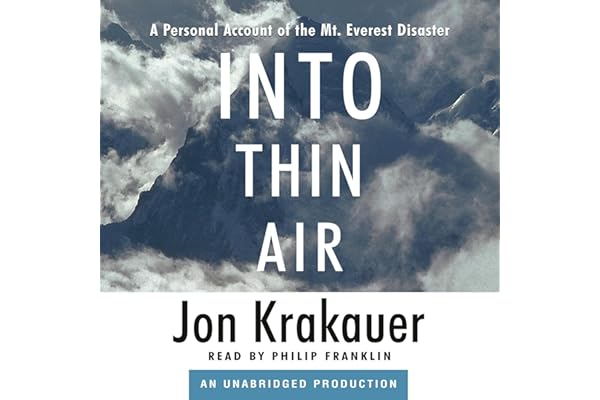
Into Thin Air: A Personal Account of the Mt. Everest Disaster

Into Thin Air: A Personal Account of the Mt. Everest Disaster


Price: $12.57
4.6/5

(24,152 reviews)

What Customers Say:

  • Peaks . . . and depths
    Almost twenty years ago, journalist Jon Krakauer joined a guided expedition to the top of Mount Everest, led by accomplished high-altitude climber and guide Rob Hall. Ostensibly on assignment to write a magazine piece on the increasing commercialization of Everest, as outfits like Hall’s made it possible for climbers with more disposable income than actual mountaineering experience to have a go at the summit, Krakauer knew this might be his only chance to fulfill his own boyhood dream by standing atop the highest mountain on earth. An enthusiastic climber since childhood – though with no experience whatsoever at very high altitudes – he was one of the most technically proficient clients on Hall’s team, and on May 10, 1996, he made it to the summit. On the way back down the mountain, however, Hall’s group was one of several expeditions caught up suddenly in a violent snowstorm. Krakauer, farther down the mountain than most of his teammates when the storm hit, made it safely back to the tents before he collapsed in exhaustion. He woke to discover that triumph had given way to terror and tragedy: several guides and clients, including Hall, were still out there in the storm, their bodies becoming increasingly vulnerable to the subzero temperatures as their supplemental oxygen supplies dwindled. “By the time I’d descended to Base Camp,” Krakauer reflects in the Introduction, “nine climbers from four expeditions were dead, and three more lives would be lost before the month was out.””Into Thin Air,” written within six months of Krakauer’s return from Everest, is the product of his attempts to process exactly what happened up there, how things could go so very wrong and so many very experienced climbers, some of whom had summitted Everest several times before, could have lost their lives: “I thought that writing the book might purge Everest from my life. It hasn’t, of course. Moreover, I agree that readers are often poorly served when an author writes as an act of catharsis, as I have done here. But I hoped something would be gained by spilling my soul in the calamity’s immediate aftermath, in the roil and torment of the moment. I wanted my account to have a raw, ruthless sort of honesty that seemed in danger of leaching away with the passage of time and the dissipation of anguish.” Thanks perhaps to the years spent honing his craft as a writer and his discipline as a journalist with deadlines to meet, Krakauer succeeds brilliantly in what he has set out to do. His account is nowhere rushed, hysterical, or lacking in polish; rather, it’s a well-told story, supported by carefully researched background and dozens of interviews with other participants in the events, and Krakauer is so much in control of his narrative that it comes almost as a shock how much of a genuine emotional wallop it packs.Perhaps only a man who stood on the summit of Everest after years of dreaming, only to regret afterwards that he’d ever gone, could tell this story the way Krakauer does, neither glossing over the dangers of the mountain or the waste of good human lives, nor denying the challenge it poses the human spirit simply by being the highest spot on the earth’s surface, simply, in the words of a man who died on Everest decades before, “because it is there.” “Into Thin Air” is a thrilling, if sobering, tale of adventure. Let’s be honest, reading a book like this is as close as most of us are ever going to get to climbing the great mountain – and Krakauer describes so well the challenges of the terrain, the moments of astonishing beauty, the plodding determination that carries the exhausted body ever onward, the effects of high altitude on the body and mind, that our vicarious ascent in his company is thoroughly satisfying. He brings his fellow climbers alive for us, too, in brief but vivid verbal portraits. We are told not only of their mountaineering prowess, but their determination, their amiability, their families, their human faults and foibles. Even though we’ve known pretty much all along who dies and who lives (the book is dedicated to the memory of those who died, and a photograph of the mountain between the introduction and first chapter is labeled with a map of their route indicating where major events took place, including several deaths), by the time the storm sweeps in we’ve come to care about these people, to hope without hope, to mourn their deaths, to celebrate every time a survivor makes it to safety.Some readers have labeled Krakauer arrogant and accused him of placing blame on everyone but himself, but I didn’t find this to be the case. He comes down against the practice of guides leading commercial expeditions of clients without the skills or experience to make the climb without constant hand-holding, but he acknowledges that he himself didn’t rightly belong there, and has nothing but praise for the skills of Rob Hall and the other guides he knew personally. He doesn’t hesitate to point out errors of judgment that might have facilitated or compounded the perils of the situation, but it’s more in the nature of pointing out the fallibility of human nature and the general unreliability of the human brain in a state of hypoxia (which, 8000 meters above sea level, supplemental oxygen can only partially mitigate) than pointing fingers or placing blame. There are no villains (except perhaps Ian Woodall, literally the only one of dozens of people he met on Everest of whom Krakauer had nothing good to say whatsoever, who for no apparent reason denied the use of his radio to help maintain contact with survivors and coordinate rescue attempts), but plenty of heroes: men and women who risked their lives venturing exhausted into a storm to rescue others, who held their own grief at bay to console the dying, who handed over their own precious bottles of oxygen to those in greater need, who calmly coordinated communications and rescue efforts during a time of crisis, or who simply managed to keep breathing when it would have been so much easier and less painful to fall asleep forever in the snow. That some of these fine, heroic men and women made the occasional mistake or bad decision says more about the risky nature of their undertaking than about them as individuals. Krakauer doesn’t exempt himself from folly or fallibility, either, and in fact he’s far harder on himself than he is on any of the others who were with him on the summit that day, living or dead. And granted that the fortitude, endurance, determination, and self-confidence necessary to tackle Everest tend to come hand-in-hand with a certain swagger and cockiness, Krakauer doesn’t come across as particularly arrogant. This is a man who lets his readers see him, in the last chapter, broken by grief and survivor’s guilt, lying across a bed naked and high on cannabis, with thick sobs “erupting out of my nose and mouth in a flood of snot.”There’s enough controversy surrounding the events on Everest in 1996, and particularly Krakauer’s accounting of them, that readers who truly wish to understand what happened on the mountain that sad day probably shouldn’t rely on this book alone. Fortunately, a number of other books on the subject exist, including at least four other memoirs by survivors of the disaster. “Into Thin Air,” however, remains in any case a good place to start – and a thrilling, if ultimately haunting, read.
  • Everest
    I am by no means a mountaineer, but became fascinated by some clips about climbing on Everest. I have always felt books give more detail than movies or videos-this book did not disappoint. At first my question was “why”, but then I realized we all have “mountains” in our lives that me must conquer. That mountain may be an actual mountain, or a personal crisis. Either way, Mr. Krakauer’s book was a fantastic read.
  • Great book
    I have to say, before reading this book I had NO idea what climbing mountains entailed. It is how shall I say, “another world” – one I would be terrified to be a part of after having read this book. I agree with others that – perhaps also it is because it was written at such an emotional time, but Krakauer does seem to have a lot of emotional distress boiling inside of him, but I am certain it has to do with possible, survivors guilt, which he does mention and the fact that this feud brewed between him and Boukreev, and I agree – having read and reread many different POVs on this particular part of Boukreev not using oxygen, turning back before alot of the people but then saving 3, I agree that Krakauer has a particular amount of anger toward this man, who is deceased now, but the impression even with the ending of him ultimately coming to a certain amount of admiration for him, it seems as though a large amount of his distress stems from a seemingly small incident at the top of the mountain (but again I am no mountaineer) and from what I read, it wasn’t such a small problem though to me almost seems irrelevant in regards to the rest of the book and the huge feat of ALL of the climbers, survivors or not, of what they accomplished, God Rest the Souls of those who did not survive.To have gone through what he had, being a journalist and not a mountaineer as they say, one can only imagine – there has to be a lot of pain in his heart about seeing people he went up with only to watch 10 of them I think it was? die, And at one point – (Im terrible with the names) there was a part where he sees who he thinks is Andy Harris but turns out to actually be another man who survived and it brought him a tremendous amount of pain that he originally thought the man was alive and in a camp, his significant other called only to have to call them back the next day to tell her that he was in fact dead. Again, the book was a HUGE undertaking for me as far as keeping everyone’s names straight so I might be confusing that one point – I just know that Krakauer seemed to be emotionally terribly distraught by a lot of the events that happened. To debate this Boukreev using oxygen I think is pointless – what happened happened – to me, anyone who climbs mountains for a living or for sport I admire, I suppose, but I also think YOU ARE CRAZY LOL – (said as light heartedly as I can) my goodness, what possesses people to want to do this? It has to be a calling a true inner calling that I can just not fathom. It sounds like an awful lot of pain for a little gain but hey, the same can be said for life in general.I admire Krakauer and enjoyed the book thouroughly. I did not read the Climb and probably never will – one mountain book for me is enough. It was enthralling but scared me to a degree. Again, I cannot imagine the pain of being that cold and without oxygen, being asthmatic, and thinking back to my oxygen depleted youth NOTHING hurts worse than not being able to breathe so climbing any mountains for me is OUT OF the question, especially after reading this book WOW is all I have to say!!!And for anyone a part of the 1996 climb who is still alive – give yourself a break, you too, Krakauer, what you did was fine and I see no reason for you to feel guilty – let go of those negative feelings – at one point in the book a Sherpa gets hit in the back of the head with a stone several times and turns to tell Krakauer, WHAT have we done to make the mountain Gods so angry???That part more than any other made me think….what INDEED????
  • Compelling Reading
    I watched the documentary of the same name and am really glad I read this book, as it fleshed out all of the expedition members more fully. Powerfully reading. How anyone survives climbing ant 8,000 meter peak is beyond my comprehension.That anyone would voluntarily go to the Death Zone on Everest is just insanity. It reminds me of the quote from Owen Wilson’s character in the movie Armageddon, in response to Bruce Willis’ character describing what it will be like on the asteroid:”Okay, so the scariest environment imaginable. Thanks. That’s all you gotta say. Scariest environment imaginable”.That’s the Death Zone, to me.

Into Thin Air: A Personal Account of the Mt. Everest Disaster is one of the best-selling products with 24152 reviews and a 4.6/5 star rating on Amazon.

Current Price: $12.57

#5

Into the Wild

Into the Wild


Price: $13.78
4.6/5

(61 reviews)

What Customers Say:

  • Could stop listening
    This was an amazing book. I originally order this on Audible for my boyfriend, but after a day he had finished, and raved. I then in return listened and enjoyed every second!
  • It had a major impact on my life
    I remember back when the story originally broke on MTV News. Eventually I put it out of my head. But then when the movie and soundtrack were coming out and the old news stories resurfaced, it triggered those memories. And it had a great impact on me.I saw the movie three times in the movie theatre. I have seen it countless times since. I have listened to the soundtrack dozens of times. And I have read the book several times.I know that Chris made a lot of mistakes. Stupid mistakes. I know people think of him as being a spoiled brat. But his fundamental message and story and journey are what matter most. Countless people have been inspired to go on and make changes in their own lives.I cannot fathom how much effort went into researching this story and getting it just right. But I am so grateful that Jon Krakauer brought it to life for us and for all of the work that has followed after it. I regularly check for updates on the story and then eventually revert back to this, the original.Whether you think Chris was brilliant or you think he was a spoiled moron, your intense feelings about his story will help you to better understand yourself and what you value over others in life.
  • Worth reading.
    Definitely enjoyed Chris’s story and the depth of the info of the people involved in his story. A bit drawn out and boring when he went into other stories that had nothing to do with Chris.
  • Great audiobook!
    Very helpful to listen too.
  • Great story
    I couldn’t stop listening.
  • Review – Into the Wild (Jon Krakauer)
    Definitely a well crafted story about a young man who has his own ideas about how the world should be; but lacks maturity of mind and possesses the cocky spirit and attitude of a teenager. As we often know, this tendency can act as a double edged sword thereby inflicting self wound; in this case with the demise of Chris Mccandless in the most un forseen circumstances. The trip of a lifetime for him into the Alaskan wilderness (stampede trail) without letting the park rangers know about his itinerary thereby entering unmarked trails is a basic blunder that nobody can commit. The victim is so overpowered by his thought process that he thinks of a 20th century world devoid of maps, compass, phones … yes that was the case in the 18th century when much of american west was unexplored, but back then many explorers perished and it was considered a normal thing to die in those days at the mercy of nature, but not in recent times. Sometimes, i wonder what goes on in the heads and minds of certain teenagers who go about shooting people with guns, taking to drugs, living homelessly under the bridges. I believe the answer to these problems is to provide psychiatric assistance and parental/community guidance. Other than that, the author has done a splendid job in describing the events in grand detail. The story keeps the reader engrossed from start to finish.
  • Awesome book
    Great book!
  • The Movie was Better
    Too much background and way too much personal stories. We get it — Alaska is tough for the prepared and deadly for the unprepared. The movie was much better and told a better story than the book. IMHO

Into the Wild is one of the best-selling products with 61 reviews and a 4.6/5 star rating on Amazon.

Current Price: $13.78

#6

Spanish in 60 Days: The Language Learning Workbook to Help You Speak Just Like the Locals With Common Slang Words and Phrases

Spanish in 60 Days: The Language Learning Workbook to Help You Speak Just Like the Locals With Common Slang Words and Phrases


Price: $13.08
4.5/5

(658 reviews)

What Customers Say:

  • ⭐️⭐️⭐️⭐️⭐️ Finally, a Spanish book that actually makes sense!
    Okay, I’ve tried a bunch of language books and apps that all felt like school textbooks—boring and hard to stick with. But Spanish in 60 Days? Total breath of fresh air! ???????????? Perfect for Real-Life SpanishWhat I loved right away is how this book focuses on how people actually speak. No weird, stiff textbook phrases. Instead, you get super useful slang, everyday expressions, and conversation starters that make you sound like a real local, not a robot.???? Easy-to-Follow FormatEach day gives you a manageable chunk to work through—grammar tips, vocab, and real-life phrases—all tied together in a way that actually sticks. No cramming, just consistent learning that builds confidence fast.????️ Great for Speaking & ListeningThis book helped me finally speak Spanish, not just memorize it. Whether you’re prepping for a trip, chatting with native speakers, or just trying to finally master Spanish after years of trying—this workbook delivers.✔️ Bonus: Grammar Without the PainSomehow, the grammar sections don’t feel overwhelming! Everything is broken down simply, with tips that make sense. You’ll learn just enough to speak correctly without getting lost in conjugation charts.???? Perfect for Beginners and Rusty SpeakersWhether you’re brand new or brushing up, this book meets you where you are. I’m about 3 weeks in, and I already feel way more comfortable holding basic convos.Bottom line: If you want to learn Spanish in a fun, real-world way—this book is a winner. I honestly wish I’d found it sooner!
  • Great for beginners
    This book is amazing! I started a week ago and I’m already having fun learning. I would definitely recommend this for someone trying to learn the basics like myself. Better than Duolingo.
  • Basic learning
    {“clickstreamNexusMetricsConfig”:{“actionType”:”DISCOVERY”,”producerId”:”vsemetrics_playercards”,”eventType”:”IVEVideoView”,”productId”:””,”eventOwner”:”vsemetrics_playercards”,”schemaId”:”clickstream.CustomerEvent.4″},”clientPrefix”:”vse_reviews_desktop_r28fj1v11bzgaw_1764311291400″,”ccvDisclosure”:””,”closedCaptionsConfig”:{“captionsOnTexts”:{“de”:”German (Automated)”,”en”:”English (Automated)”,”fr”:”French (Automated)”,”es”:”Spanish (Automated)”},”captionsOffText”:”Captions off”,”languageToLabelTexts”:{“English”:”English”,”German”:”German”,”Spanish”:”Spanish”,”French”:”French”}},”sushiMetricsConfig”:{“isRobot”:false,”clientId”:”VSE-US”,”videoAsinList”:””,”weblabIds”:””,”eventSource”:”Player”,”sessionId”:”142-1849299-0382426″,”refMarkers”:”vse_reviews_desktop_R28FJ1V11BZGAW_1764311291400_ref”,”placementContext”:”cr_inline_review”,”marketplaceId”:”ATVPDKIKX0DER”,”isInternal”:false,”endpoint”:”https://unagi-na.amazon.com/1/events/com.amazon.eel.vse.metrics.prod.events.test”,”requestId”:”CJZVN3N4WPEXN8K5ET5T”,”customerId”:”A2K2W4MTZROM02″,”sessionType”:1},”mimeType”:”application/x-mpegURL”,”reportUrl”:””,”nexusMetricsConfig”:{“isInternal”:false,”widgetMetricsSchemaId”:”vse.VSECardsEvents.9″,”clientId”:”VSE-US”,”videoAsinList”:””,”weblabIds”:””,”eventSource”:”Player”,”videoAsin”:”R28FJ1V11BZGAW”,”customerId”:”A2K2W4MTZROM02″,”producerId”:”vsemetrics_playercards”,”refMarkers”:”vse_reviews_desktop_R28FJ1V11BZGAW_1764311291400_ref”,”placementContext”:”cr_inline_review”,”playerTSMMetricsSchemaId”:”vse.VSECardsPlayerEvents.9″},”videoHeight”:0,”videoWidth”:0,”initialClosedCaptions”:”en,https://m.media-amazon.com/images/S/vse-vms-closed-captions-artifact-us-east-1-prod/closedCaptions/12116081-2f18-448c-ab81-cc8a76cac644.vtt”,”eligibleToTriggerCCWeblab”:false,”videoUrl”:”https://m.media-amazon.com/images/S/vse-vms-transcoding-artifact-us-east-1-prod/7e465317-00ea-4d71-b4d5-2a6346212a87/embedded.cc.default.vertical.jobtemplate.hls.m3u8″,”metricsEmissionMethod”:”nexus”,”imageUrl”:”https://m.media-amazon.com/images/I/31MXalUS13L._SY256.jpg”,”awaConfig”:{“useUpNextComponent”:false,”clickstreamNexusMetricsConfig”:{“actionType”:”DISCOVERY”,”producerId”:”vsemetrics_playercards”,”eventType”:”IVEVideoView”,”productId”:””,”eventOwner”:”vsemetrics_playercards”,”schemaId”:”clickstream.CustomerEvent.4″},”initialVideo”:”R28FJ1V11BZGAW”,”shouldPreload”:true,”enableClickBasedAttribution”:false,”isChromelessPlayer”:false,”closedCaptionsConfig”:{“captionsOnTexts”:{“de”:”German (Automated)”,”en”:”English (Automated)”,”fr”:”French (Automated)”,”es”:”Spanish (Automated)”},”captionsOffText”:”Captions off”,”languageToLabelTexts”:{“English”:”English”,”German”:”German”,”Spanish”:”Spanish”,”French”:”French”}},”enableDynamicBlur”:false,”showPlayerPlayButton”:false,”isVideoImmersivePlayer”:false,”metricsEmissionMethod”:”nexus”,”skipInitialFocus”:false,”playerSkin”:”none”,”disabledViewIds”:[“replayHint”],”includeEarnsComissionDisclosure”:false,”customerId”:”A2K2W4MTZROM02″,”containerId”:”vse_reviews_desktop_r28fj1v11bzgaw_1764311291400-player-93370779-b5b8-48c0-bfdc-6ba67b49ec32″,”allowCrossOrigin”:false,”requestMetadata”:{“marketplaceId”:”ATVPDKIKX0DER”,”clientId”:”VSE-US”,”sessionId”:”142-1849299-0382426″,”method”:”cr_inline_review”,”requestId”:”CJZVN3N4WPEXN8K5ET5T”,”pageAsin”:””},”shouldLoop”:false,”shouldDisableControls”:false,”alwaysSetInitialVideo”:true,”showPlayerCloseButton”:false,”clientPrefix”:””,”useAutoplayFallback”:false,”sushiMetricsConfig”:{“isRobot”:false,”clientId”:”VSE-US”,”videoAsinList”:””,”weblabIds”:””,”eventSource”:”Player”,”sessionId”:”142-1849299-0382426″,”refMarkers”:”vse_reviews_desktop_R28FJ1V11BZGAW_1764311291400_ref”,”placementContext”:”cr_inline_review”,”marketplaceId”:”ATVPDKIKX0DER”,”isInternal”:false,”endpoint”:”https://unagi-na.amazon.com/1/events/com.amazon.eel.vse.metrics.prod.events.test”,”requestId”:”CJZVN3N4WPEXN8K5ET5T”,”customerId”:”A2K2W4MTZROM02″,”sessionType”:1},”ospLinkCode”:””,”showPosterImage”:true,”languageCode”:”en”,”languageLocalization”:{“play”:”Play”,”volumeLevel”:”Volume Level”,”subtitles”:”Subtitles”,”volumeSlider”:”Volume Slider”,”playVideo”:”Click to play video”,”fullscreen”:”Fullscreen”,”scrubberBar”:”Scrubber bar”,”mute”:”Mute”,”unmute”:”Unmute”,”pause”:”Pause”,”captions”:”Captions”,”nonfullscreen”:”Non-Fullscreen”},”version”:””,”isMoreVideosButtonEnabled”:false,”nexusMetricsConfig”:{“isInternal”:false,”widgetMetricsSchemaId”:”vse.VSECardsEvents.9″,”clientId”:”VSE-US”,”videoAsinList”:””,”weblabIds”:””,”eventSource”:”Player”,”videoAsin”:”R28FJ1V11BZGAW”,”customerId”:”A2K2W4MTZROM02″,”producerId”:”vsemetrics_playercards”,”refMarkers”:”vse_reviews_desktop_R28FJ1V11BZGAW_1764311291400_ref”,”placementContext”:”cr_inline_review”,”playerTSMMetricsSchemaId”:”vse.VSECardsPlayerEvents.9″},”shouldStartMuted”:false,”airyVersion”:”VideoJS”,”languagePreferenceStrings”:{},”enableInactiveFocus”:true,”isReactFactory”:false,”enableDelphiAttribution”:false,”includeReportWidget”:false,”shouldAutoplay”:false},”needPlayerFactory”:false,”isMobile”:false}The video showcases the product in use.The video guides you through product setup.The video compares multiple products.The video shows the product being unpacked.Video Player is loading.Click to play videoPlayMuteCurrent Time 0:00/Duration 0:16Loaded: 37.54%0:00Stream Type LIVESeek to live, currently behind liveLIVERemaining Time -0:16 1xPlayback RateChaptersChaptersDescriptionsdescriptions off, selectedCaptionsCaptions off, selectedEnglishAudio Trackdefault, selectedFullscreenThis is a modal window. This is a nice book, smaller than I thought it would be. It’s 110 pages. We got some good info from it. It helps with learning basic conversation pieces and everyday words. It does break down the pronunciation. Helps with Mexican slang, words I heard back in HS and never knew what they were saying.
  • Almost perfect!
    4/8/23 • I purchased this book after seeing her TikTok’s because she seemed super knowledgeable, easy to learn from and enthusiastic. I’m also in El Paso Texas so definitely the minority here but I did take Spanish in high school and college. I am using Rosetta Stone, Dúo Lingo and will be using this book.My only negative thing to say is there ARE several typos. For instance, in week 1, the very first page “vacaciones” is translated to English as “vacacions” instead of vacation. There’s a few of these typos. There’s another where she translates idgaf but hers says “idgf”so you’re left wondering are you really translating idgaf or idgf because we don’t say idgf in English. Hope that makes sense… (I’ll try to post a typo for reference) With that being said, I don’t know if some of the Spanish is wrong as well because it’s been years since I used Spanish and so I hope I’m not learning it wrong based on the written text.(Picture reference: I’m not sure if this was meant to be “what’s going on?” or “how’s it going?” I’m assuming what’s up or what’s going on since it says ‘que’ but that’s just it… I shouldn’t have to assume)I do like the way she laid the book out week by week and there are quizzes at the end of each week. I also like that the pronunciation for each word/phrase is in the book as well. I love the slang as I am trying to become fluent to secure a job which is basically an unwritten requirement here to be fluent in both. She shows you how to conjugate, important Mexican holidays, measurements, facts about Mexico and basically how to communicate without sounding like google translate aka a robot. I just received the book today but went over it in detail because I was excited but will update after my 60 days so I can see how much I’ve learned in that time frame and to see if it’s truly realistic to learn quite a bit in 60 days.I really wish she had had someone to check grammar because I would’ve definitely given 5 stars but because of the grammatical errors I’ve caught already, I will give 4 stars as with learning a new language, errors are huge deal breakers in my opinion.Great price point as well. You can’t beat that.Will update soon:)
  • Great for slang support
    There is a whole section of cuss words or like slang that has been SO helpful as I teach middle schoolers whose first language is Spanish. I now know when they aren’t saying school appropriate things and it was so helpful!!
  • Granddaughter loves it
    My granddaughter, going into 8th grade asked for this. It arrived on a Tuesday and by Thursday she could count, knew the days of the week and months of the year and the Spanish alphabet. She is loving it!
  • This book helped a lot! Even for an everyday Spanish speaker.
    So, I follow Sara on TikTok and I really love her videos on Mexican slang so I was so thrilled about this book! Im a bit more advanced than a beginner but I have trouble holding long conversations. I bought this book to be able to use the actual words that they use. I love that she included how to pronounce the words that helps me the most. The book even has little quizzes and an answer sheet! It’s definitely worth the buy the only downside is the font is so tiny but the book has a BUNCH of material! Great buy! I am impressed !
  • Good
    Not as easy for me as listed

Spanish in 60 Days: The Language Learning Workbook to Help You Speak Just Like the Locals With Common Slang Words and Phrases is one of the best-selling products with 658 reviews and a 4.5/5 star rating on Amazon.

Current Price: $13.08

#7

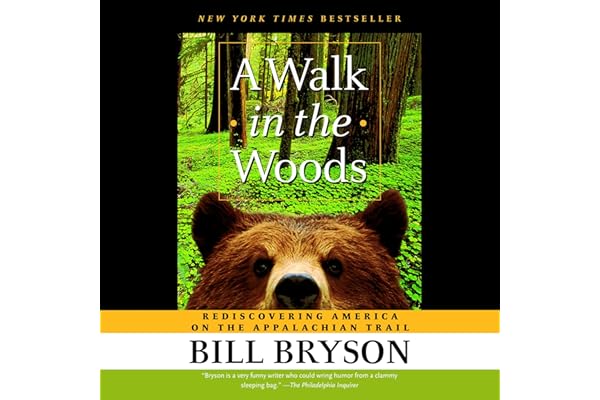
A Walk in the Woods: Rediscovering America on the Appalachian Trail

A Walk in the Woods: Rediscovering America on the Appalachian Trail


Price: $17.72
4.4/5

(25,673 reviews)

What Customers Say:

  • Thoroughly enjoyable…
    Nobody does travelogues better than Bill Bryson, and A Walk in the Woods: Rediscovering America on the Appalachian Trail is a combination of funny, informative, reflective, depressing and thoroughly entertaining. It was an especially relevant read for me as my nephew just got done hiking 1/3 of the Appalachian Trail (AT) from Georgia to Virginia. It was interesting to compare his experiences with Bryson’s.Bryson moves back to the United States after a 20 year absence and his new hometown is Hanover, NH. He becomes interested in the Appalachian Trail as it passes through Hanover. He decides that he is going to walk the AT and the only volunteer that he can get to accompany him is an old college buddy and recovering alcoholic, Stephen Katz. Walking the trail “would get me fit after years of waddlesome sloth. It would be an interesting and reflective way to reacquaint myself with the scale and beauty of my native land after nearly 20 years of living abroad. It would be useful (I wasn’t quite sure in what way, but I was sure nonetheless) to learn to fend for myself in the wilderness. When guys in camouflage pants and hunting hats sat around in the Four Acres Diner talking about fearsome things done out-of-doors, I would no longer have to feel like such a cupcake.”Bryson begins in Georgia and along the way, he talks about the fascinating history of the trail, “the granddaddy of long hikes.” From Georgia to Maine, it transverses 2100+ miles. Thru hikers accomplish the entire trail in one trip. Section hikers may hike the entire trail, but a section at a time. Sometimes it takes years or even decades to walk the entire AT. Hikers must carry everything they need including tents, sleeping bags, cooking utensils, food, water, clothes, and personal items. Most packs weigh between 40-50 pounds. For most of the trip, hikers are out of range of cell phones, internet access and electricity. Towns along the way to purchase more food and supplies can be miles off the trail. Of all those who start the AT, “no more than 10 percent actually make it. Half don’t even make it past central Virginia, less than a third of the way. A quarter get no farther than North Carolina, the next state. As many as 20 percent drop out the first week.”Some of Bryson’s experiences were funny (especially with side-kick Katz) and some were quite awesome. But there is also lots to be depressed about on the AT. Animals have become extinct. Songbirds have decreased by 50% and their decline continues each year. Blights and diseases have already killed off the chestnuts and elms and are threatening other species. The National Park Service is being starved for funding as visitor numbers soar. “Campsites and interpretation centers have been shut, warden numbers slashed, and essential maintenance deferred.” And then there are the injuries and deaths caused by wildlife, accidents, stupidity, and even crimes (although overall, the AT is not a crime-ridden locale). Hiking the AT is not to be taken lightly.You will have to read A Walk in the Woods to see if Bryson achieves his goal of walking the entire trail. But the author definitely learned some important lessons along the way. “I learned to pitch a tent and sleep beneath the stars. For a brief, proud period I was slender and fit. I gained a profound respect for wilderness and nature and the benign dark power of woods. I understand now, in a way I never did before, the colossal scale of the world. I found patience and fortitude that I didn’t know I had. I discovered an America that millions of people scarcely know exists.” Too bad that more of us don’t get an opportunity to disconnect from the modern world and connect with nature on such a personal level.
  • I would recommend this book to read to people
    Bill Bryson is put himself into the wilderness to tackle the infinitely long hike of the Appalachian Trail in the autobiography A Walk in the Woods. I chose this book mostly because I had just come from learning a little about the wilderness in school and I thought the class was interesting. The title made me think of the class, so I thought I should give it a try. The story follows Bill Bryson and his friend Katz as they scale the Appalachian Trail. It tells of the hardships he endures, the views he witnesses, and the people he meets along the way. I would recommend this book to read to people.Bill Bryson uses various elements to help try and bring his experience on the trail to life for the reader. He used styles such as similes and metaphors, and also he did a good amount of showing rather than telling. This is one description he uses to describe one part of the trail; “They [woods] make you feel small and confused and vulnerable, like a small child lost in a crowd of strange legs,” (Bryson, 44). I found and lot of descriptions interesting and ones that pulled my attention. They were able to put pictures in my head of what the environment he was in was like. They might not be able to relate to younger audiences, but teens in high school and up would be able to enjoy and appreciate them. The author’s style of writing can also be tied into how he describes characters in the story.I do not think that I can relate to Bill Bryson’s experiences, because I have never been put into the wilderness like he has. He has done something That I do not think I could tackle right now. As for the characters in his book I feel that I can relate meeting people who act like some of the people that he did. I believe that the characters were well rounded and each had their own kind of personality. Katz, the hiking partner of Bryson, is one such character who I believe has a dynamic personality. In his first conversation with Bryson after meeting face to face Bryson adds that “He saw my look of wonder. ‘Snickers,’ he explained. ‘Lots and lots of Snickers,’” (Bryson, 22). He helps give us an accurate painting of the person by not only how they look, but also the conversations that they have with others. I found myself either liking a character or feeling neutral toward them, except in the case of one or two people Bryson meets along the way.The whole book is in chronological order; there is no trying to fill in what part of the story goes where to put it in order. Throwing the reader in the middle of the book may have not made much difference either way. The book was able to hold my attention for the most part, but some times I did find myself wishing I could skip over a section of the reading. These parts are placed at the beginning of the chapters. They do not pertain to the story so much. They are around for background information about the Appalachian Trail or something that is related to it. The information was helpful in some case, but they also seemed stretched out and long. However, the book was interesting and I was tuned into reading when the actual story was brought back. It became more interesting when he started talking about the views he experienced in the forest. In one part the author describes the trail by saying, “Best of all, there were views, luscious and golden, to left and right,” (Bryson, 124). It was at these parts that I was brought back into the story.The book tells an interesting story of one person’s experience in the woods and is humorous in sections of the reading. However, I so not believe that everyone will get into this book. I did enjoy my mountaineering class in school, but I did find this book hard to stick with at some parts. This book may only be for those who find hiking enjoyable and want to learn about a trail of the U.S. that is not heard about that much.

A Walk in the Woods: Rediscovering America on the Appalachian Trail is one of the best-selling products with 25673 reviews and a 4.4/5 star rating on Amazon.

Current Price: $17.72

#8

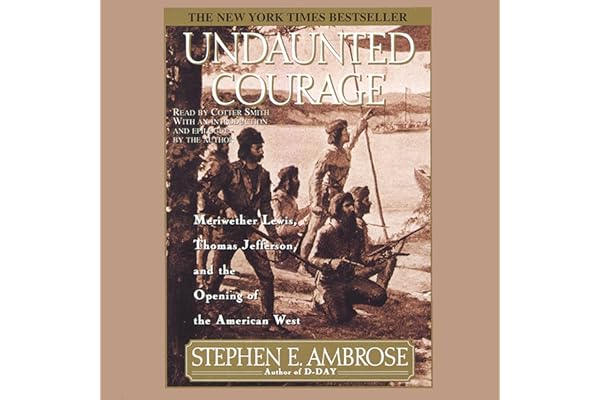
Undaunted Courage: Meriwether Lewis Thomas Jefferson And The Opening Of The American West

Undaunted Courage: Meriwether Lewis Thomas Jefferson And The Opening Of The American West


Price: $22.96
4.6/5

(7,295 reviews)

What Customers Say:

  • What An Epic Tale
    On our vacation out west last month I saw a few historical markers for Lewis and Clark. I had to admit to myself that, though I knew their names and vaguely what they’d done, I was not aware of any of the details of their expedition. I either missed that day in American History or that knowledge has left my head to make room for song lyrics (which I assume take up most of my brain’s hard drive space.). So I looked on Amazon and saw that Stephen E Ambrose had written a book about them and I recognized his name so I purchased it and have been reading it since the vacation.What an epic story of an incredible journey! I learned so much, starting with Lewis’ first name, Meriwether, and the fact that it was Thomas Jefferson who not only completed the Louisiana Purchase but then commissioned the expedition, mainly in hopes of finding an all water route from the east coast to the west coast (spoiler alert: those damn Rocky Mountains get in the way.) One of the things that fascinated me was how bereft Jefferson (and everyone else back east) was about how the trek was going. In our day and age where you can video chat with someone halfway around the world in real time, it’s impossible to imagine a day and age when it would take two years to learn whether Lewis and Clark and their small group made it safely to the Pacific Ocean or were slaughtered along the way.The book itself was rich with details, culled mainly from Lewis and Clark’s individual journals which they kept dutifully during the entire expedition. But Ambrose doesn’t shy away from editorializing either. He very openly discusses all the broken promises made to the Native American tribes the expedition encountered, as well as how growing up as slaveholders influenced Jefferson, Lewis and Clark in their thinking that certain races are superior to others. That is the true dilemma of this great nation, and one that cannot be ignored when discussing something as monumental as Lewis and Clark’s expedition. Did the good outweigh the bad? If history, as they say, is the story of the winners, then the answer is Yes. Could we as a nation have prospered any other way? That, we’ll never know.After the expedition was complete, there were still about 80 pages left in the book. I didn’t see how there could be. Other than getting their journals published, what more was there to the Lewis and Clark story? Silly me. I had no idea about Meriwether Lewis’ sad and tragic ending. It actually wept a little when I read it.I’d recommend this book to anyone who loves a good adventure story, especially if you’re like me and you somehow missed out on all the details of this great expedition in school. It’s a true American story of bravery and exploration. And next time I’m out west I’ll be sure to pull over at one of those historical markers and appreciate it a lot more.
  • Historical account
    Great non-fiction account of the Lewis & Clark expedition
  • Weel researched and very informative.
    I love reading historical stuff. however, this one took a bit more effort to get through. Don’t get me wrong, it’s well written and all, I just needed more focus to get through some of the parts.
  • Breaking New Ground West of the Mississippi
    Having been born in South Dakota, raised in Minnesota, and with ancestors who lived in Nebraska, and North and South Dakota, I was fascinated with the story of this first exploration into these areas. As an adult, I have also traveled extensively in the West, and of course I have heard of the Lewis and Clark expedition since grade school, but I have never before encountered a book for the popular reader that gave this fascinating first-person detail on these important events. Along with the extremely interesting travelogue, (the reader cannot wait to see what happens around the next bend of the river or at the meeting with the next Indian tribe) a number of horrible tragedies occurred:In the first place, the Indian policy of Lewis, as well as Jefferson, leaves something to be desired. For all their promising of the carrot and stick approach, it does not seem that the carrot was very big or tasty in view of the contact the warlike tribes had already had with Canadian traders from whom they had received guns and alcohol. The mishandling of the Sioux and the Blackfoot was a calamity for the USA with repercussions for decades to come. It does not seem that the tribes who were friendly and helpful to the expedition with the exception of the Mandan were ever amply rewarded for their helping hand.It is a great disaster that the journals did not get published in popular form for almost 100 years after they were written. One wonders that Jefferson did not take more responsibility for getting them out during his presidency and Lewis’ lifetime. Although a neighbor of the Lewis family, and cognizant of the family tendency for depression and mental instability, he did not protect his prized prodigy from the fatal effects of this weakness plus alcoholism and over medication with poisonous substances. I agree with the author that appointing Lewis as the governor over the Louisiana territory was a bad idea. He could not handle well the political intricacies and intrigues involved in his governorship. What a terrible end to a talented and valuable man. One wonders why Clark did not accompany his good friend on his last fatal journey. One also wonders why Russell did not send some responsible person along but allowed Lewis to take off with his depression, alcoholism, and other problems accompanied only by the black servant who obviously had no authority over his employer. Lewis obviously thought he was in financial ruin by the refusal of Madison’s administration to pay the debts incurred, as he thought, at government expense. One wonders what Jefferson really thought when he heard of Lewis’s tragic end, and also why Jefferson himself was not able to do much with the journals once they came into his hands.Another tragedy was the handling of York by Clark when he asked for his freedom as compensation for his valiant and faithful service during the expedition. An unfortunate detail is the fact that when Clark’s commission finally came through, it was for lieutenant rather than the promised captaincy.As to the writing of the book, outside of a fair amount of uninteresting detail before the expedition gets underway, which might be of interest to some people, it is excellent as Ambrose always is. I would give it five stars.
  • Fascinating story of a great pioneer.
    Well worth the time to read this fascinating story of Meriwether Lewis and the courageous men who accompanied him on the daunting and dangerous task of exploring the newly acquired Louisiana territory. Also interesting insights into the various Indian tribes that populated these lands.
  • Great Book!
    Great book!

Undaunted Courage: Meriwether Lewis Thomas Jefferson And The Opening Of The American West is one of the best-selling products with 7295 reviews and a 4.6/5 star rating on Amazon.

Current Price: $22.96

#9

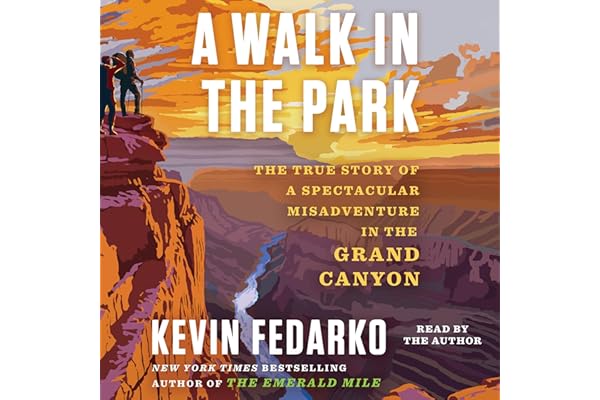
A Walk in the Park

A Walk in the Park


Price: $19.68
4.6/5

(2,460 reviews)

What Customers Say:

  • A Journey for the Soul
    This is a profound narrative. While it is about hiking the length of the Grand Canyon, it’s much more. It is about self discovery and realization and how the human spirit can overcome seemingly impossible odds. As the author and his friend initially enter the Canyon they do so with confidence, hubris and some arrogance. But nature has a way of humbling us all and they soon learn that hiking the Grand Canyon is not like any other hike. Its exhilarating, frustrating, almost impossible at some points and it pushes the hiker to limits that hardly seem bearable. The narrative of this book is vivid and well written. You feel the frustrations and challenges that they faced daily. Its a vicarious thrill and a reason I read books like this. I can’t even imagine the kind of tenacity and endurance it would take to complete a hike like this. I appreciate that there are people though who do these hikes so I canread about them and gain a deeper appreciation and understanding of not only human nature but these miraculous natural wonders that we are so blessed to have in this country. My admiration for these hikers and this book knows no bounds.
  • A Fascinating adventure story!
    Kevin Fedarko has written one of the most fascinating books I have ever read—it was so disappointing to come to the end—I wanted the adventure to go on forever.The book is hard to classify. Yes, it’s a how-to manual—a detailed instruction manual on how to hike the Grand Canyon (more specifically, what NOT to do when hiking)—but it is so much more—a description of river running on the Colorado, a history of hiking the Canyon trails; an account of Native American (specifically Havasupai and Hualapai) influence in the Canyon; an introduction to various branches of science of the Canyon—geology, archaeology, biology, botany, zoology; an explanation of the political history of the Canyon and the Park that was created to protect it.Author Kevin and photographer Pete McBride assumed that their plan to hike from one end of the Canyon to the other would be an easy, pleasant “walk in the park.” However, they had barely left Lee’s Ferry before they came face-to-face with the reality of what they had undertaken. Kevin had experience as a river runner and felt he knew what he was getting into as they followed in the footsteps of the “godfather of Canyon hiking”—Harvey Butchart—and “the man who walked through time”—Colin Fletcher. They soon discovered the truth of Edward Abbey’s statement: “There are some good things to be said about walking. Not many but some.”Kevin describes the beauty, the magic, of this place while acknowledging his friend Matthew’s statement that “In addition to its mysteries and its beauty, I think suffering is at the center of what it means to be in the Canyon.”Kevin gives credit to the many individuals who belong to that select group of hikers who have walked the length of the Canyon from Lee’s Ferry to the Grand Wash Cliffs. He also delves into the history of humans in the Canyon—from the Native American tribes to the river runners to the present day efforts of those who want to develop the Canyon and those who want to protect it. Above all, he gives credit to the pilgrims who visit the Canyon—those “who [have] come to a holy place, a cathedral in the desert, in the hope of standing in the presence of something greater than themselves, something that would enable them to feel profoundly diminished and radically expanded in the same breath. They [are] pilgrims because there is something sacred in the belief that, despite its ugliness and its many depravities, there are still places in our fallen and shattered world where wonder abides.”
  • Ovearall a Great Book
    As someone who has hiked on the rim of the Grand Canyon and and down into the canyon many times I found this book really interesting. I have hiked on a lot of different trails but all of them are the more well traveled trails though some of them can be very quiet at times. This book goes to a lot of places that I haven’t been and would love to go to, but probably never well.The reason for the lost of one start is because at the beginning of the book he is so over the top when talking about the Grand Canyon that even though I think it is a unique and awesome place it was just too much. He even says at one point “in some areas even the streams are rendered so tenuous by the heat that their waters recede into the stone by day and emerge only by night”. Stream waters do not go in and out of stones and particularly not based on night and day. Also, he has a theme through the book about being totally unprepared and not adequate for a hike through the canyon. He had a lot of experience in the canyon though and must have done a lot of preparation otherwise he wouldn’t have survived. He even admits at one point that his hiking partner wasn’t happy with the way he talked about this and he said he did it because it made it more interesting or something like that. Besides that it is a great story, has a lot of great information and he shows a lot of consideration for the canyon, the people that work and vist there and the indigenous people that live there.
  • Great read!
    Well written with a little geography… geology…. history ….. a little humor ….and a great adventure.
  • grand!
    A truly remarkable, introspective, inviting walk thru the canyon. Beautifully and thoughtfully written. A story of a canyon most revered.
  • Fascinating, informative read
    A wonderful adventure story of learning and adapting to constantly changing conditions.This is a marvelous story with historical background that will broaden hour appreciation of the park and the challenge it offers.
  • Prequel for your canyon trip!
    Great writing about the Grand Canyon. Definitely will make you want to visit.
  • Unique, engrossing, serious and funny adventure-tale
    A phenomenal, engrossing account of a unique adventure! I thought the book would be more like an account of an AT or PCT hike. But the circumstances of the hike, the unpreparedness of the participants, their reliance on real professionals of canyonland-mountaineering, and the exquisite descriptions leave this reader in awe of their journey. I worked one summer in northerm AZ, so I recognize many place names that brought a personal involvement to the narrative. A “must-read” for outdoor enthusiasts and for appreciation of the native populations of the Southwest through the centuries. Thank you to Kevin and all associates for persevering on your journey! Outstanding!

A Walk in the Park is one of the best-selling products with 2460 reviews and a 4.6/5 star rating on Amazon.

Current Price: $19.68

#10

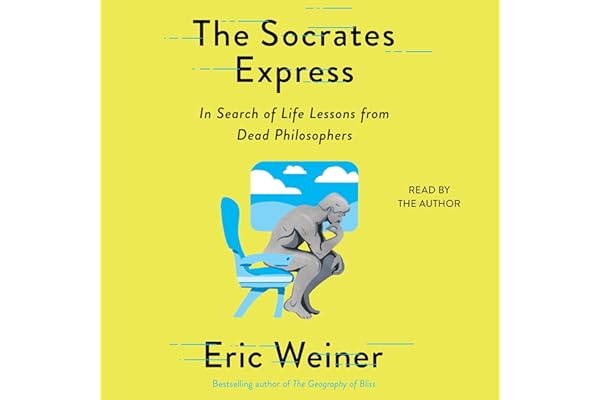
The Socrates Express: In Search of Life Lessons from Dead Philosophers

The Socrates Express: In Search of Life Lessons from Dead Philosophers


Price: $17.71
4.5/5

(1,072 reviews)

What Customers Say:

  • Lucid, amusing, accessible
    Why fall in love with wisdom? (Philo = I love. Sophia = wisdom.)Well, ‘cos maybe it can do one a heap o’ good. Philosophy’s key premise works like this: If human thoughts can be induced to rhyme with reality, then reality might be much easier to bear. To handle. Since life ought to be an alliance with reality, not a struggle to subdue it.That’s my grand takeaway from the latest book from Eric Weiner.I’ve just finished reading Weiner’s “The Socrates Express,” and recommend it unhesitatingly as a perhaps unusual yet potentially satisfying Xmas gift.The book’s subtitle roughly explains its core: “In search of life lessons from dead philosophers.” But that line alone doesn’t manage to communicate the book’s very attractive tone, which is both quizzical and humorous. The book is less a trek through the history of philosophy’s leading lights, more a romp through that both far and recent past.Weiner seems to present himself as a fretful, impatient, grumpy, even neurotic narrator. However, I see him much more as a deadpan comedian. A dry humorist in the tradition of Jack Benny and Bob Newhart – albeit one whose jokes are more cerebral and whose general bent is more academic.Four sub-themes animate “The Socrates Express.” The first is travel – truly no surprise for an author who made his bones with books such as, “The Geography of Bliss” and “The Geography of Genius.” Each of the 14 chapters opens with a train journey to a locale that exerted significant influence upon a given thinker. Another thread is formed by Weiner’s lucid and economic summary of each philosopher’s principal suppositions.His third and fourth themes are the ones I found most interesting. Weiner tracks these key thoughts or postures as they shaped the progress of a philosopher’s life; and then he tries them out on his own life, usually with entirely mixed results. (Once in a while, he treats us with a bit of acerbic yet piercing side-commentary from his teenage daughter.) The net result is that Weiner greatly humanizes the highbrows, and shows us that, when all is said and done, philosophy at its best is a sincere effort to grapple with life and next, at minimum, to wrestle it to a draw.I have on my shelf several types of “introduction to philosophy” books. And I’ve made a deep dive into a few formal mindsets, primarily Stoicism. I keep the general summaries around to remind me of the full spectrum of major cognitive systems humanity has churned out over the ages. And to endow my present thinking with perspective.Of that introductory lot, I’d judge Weiner’s book as by far the best.It is the deftest, the most creative, the most communicative, the most experimental, and the wittiest. This is not to say he succeeds in every instance. His chapter on Gandhi I found superlative. But his chapter on Confucius seemed surprisingly dull and empty – I wished he’d selected an Asian seer with whom he felt a greater affinity. Buddha, perhaps. However, he more than makes up for a rare flub with other brilliant commentary – such as his chapter on Simone Weil. I confess I’d never heard of the dame before reading Weiner, and I wound up feeling grateful for this introduction.It’s no secret, as we draw to the close of 2020, that we live in hard times. And they may turn harder still.So if you presently seek to nurture and bolster your own thoughts, postures and attitudes (as well as those of your pals) in order to better cope with life in our times, this book could provide a useful boost (for you and/or for them). Yes, it deals in philosophy. But the text is lucid, amusing, and accessible. And that’s why I think “The Socrates Express” would make an awesome Xmas gift during this quite peculiar and outstandingly particular year in which we do find ourselves.Or not…
  • All aboard!
    This is the most approachable book of philosophy you are bound to find. Weiner’s writing is simple, to the point, and often humorous. He covers many of history’s most notable philosophers and schools of philosophy without resorting to the language of modern academic philosophy. There is no need to stare at your navel.Weiner notes that few schools today teach philosophy. At best they teach about philosophers. But although there are differences, philosophy and science are essentially the same thing. The words, in fact, centuries ago were used concurrently and many of the greatest philosophers in history would be considered both scientists and philosophers today. Newton’s most famous paper, which is often assigned a prominent role in kicking off the Scientific Revolution, actually had the word philosophy in its title.We are today enamored with science. ‘What the science says’ is the journalistic phrase of the day. The suggestion, of course, is that if this is what the science says, it must be true. This is the source of many of our current social, political, and cultural ills, however. Science is not a body of knowledge. It is a methodology for collecting data. But data are dumb. They can tell us virtually nothing without further questioning. As the author notes, “We confuse data with information, information with knowledge, and knowledge with wisdom.”“Philosophy, unlike science, is prescriptive.” It is the study of questions. But without the questions we have no idea if the reality the science gives us is true or not. Which is why so many scientific “discoveries” turn out to be false. There weren’t enough questions asked.At the core of the LEAN management system, the most advanced operations management system currently in use, one of the core concepts is the 5 Whys. When you confront a problem you can’t resolve it until you know why the problem exists. Your first answer to the question of why, however, will seldom be the root cause and root causes are what you need to fix. You must ask why at least five times before you even get close to the root cause.That is essentially what Socrates told us a long, long time ago. These subsequent questions are what I think of as discovering the context. We can’t understand the answers until we understand the context. And that’s why there is such a strong need for prescriptive thinking. That is where the context resides.This, in my opinion, is why technology is currently doing us far more harm than good. It ignores context, which is why AI will never replace the human mind. However complex it becomes it is still binary. No number of algorithms can ever replace the questions of philosophy. The algorithms can destroy us, of course, but that does not require understanding. We’re doing just fine on that front without the understanding that philosophy can provide.This is a great book by a very skillful writer. I highly recommend it. I guarantee you will feel better for having read it.

The Socrates Express: In Search of Life Lessons from Dead Philosophers is one of the best-selling products with 1072 reviews and a 4.5/5 star rating on Amazon.

Current Price: $17.71

Updated: Nov 28, 2025
Data from Amazon.com
10 products